Name That Bird: Physical Traits
Bruce Tuck | Swan Lake Bird Facts
September 2026
In Part 1 of this series on bird names, we looked at what organizations are responsible for compiling names of birds throughout the world. There are common names and scientific names for each species, and there are many regional influences. Over 90% of bird species are named after their appearance or the habitat in which they live.
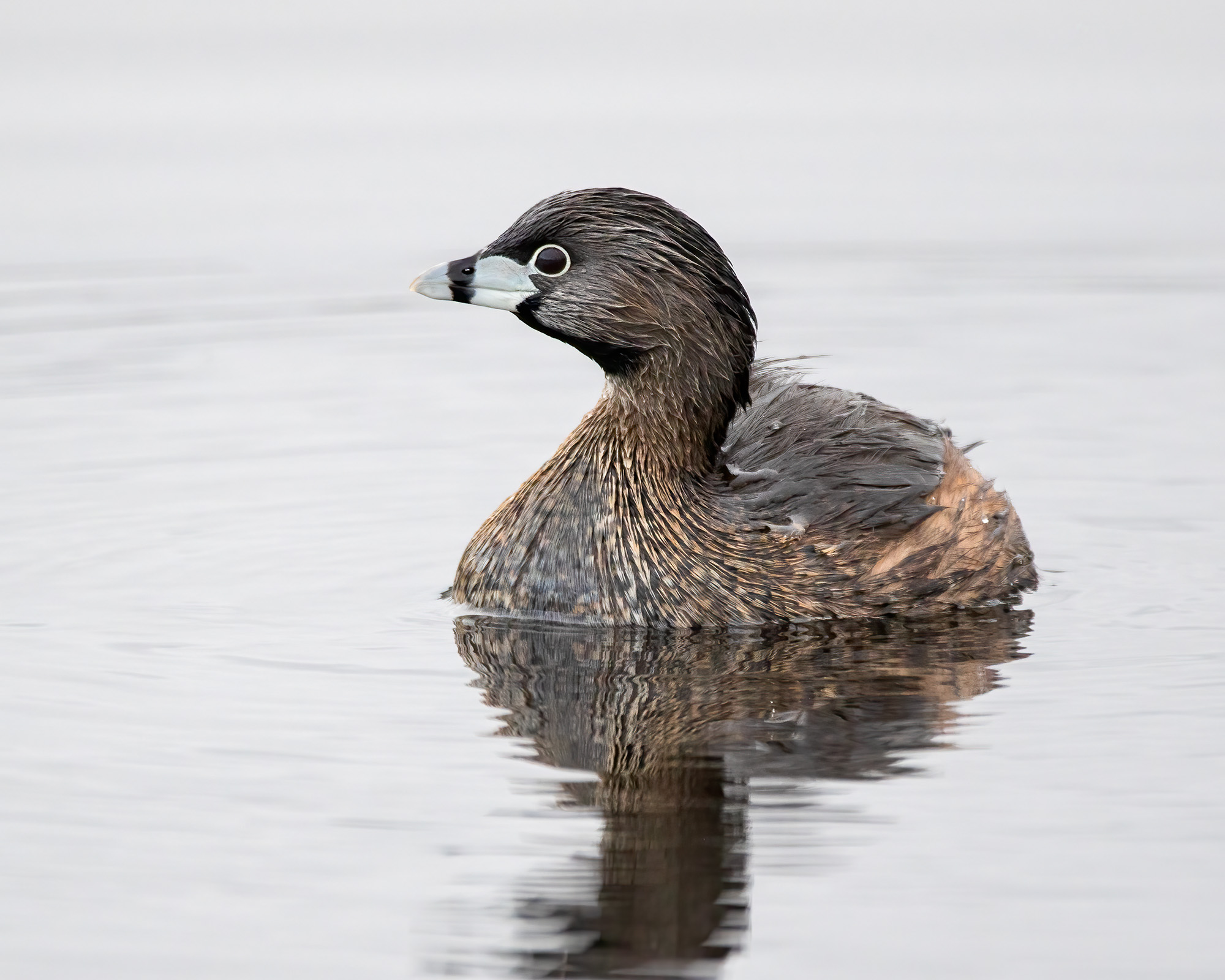
Pied-billed Grebe (Podilymbus podiceps)
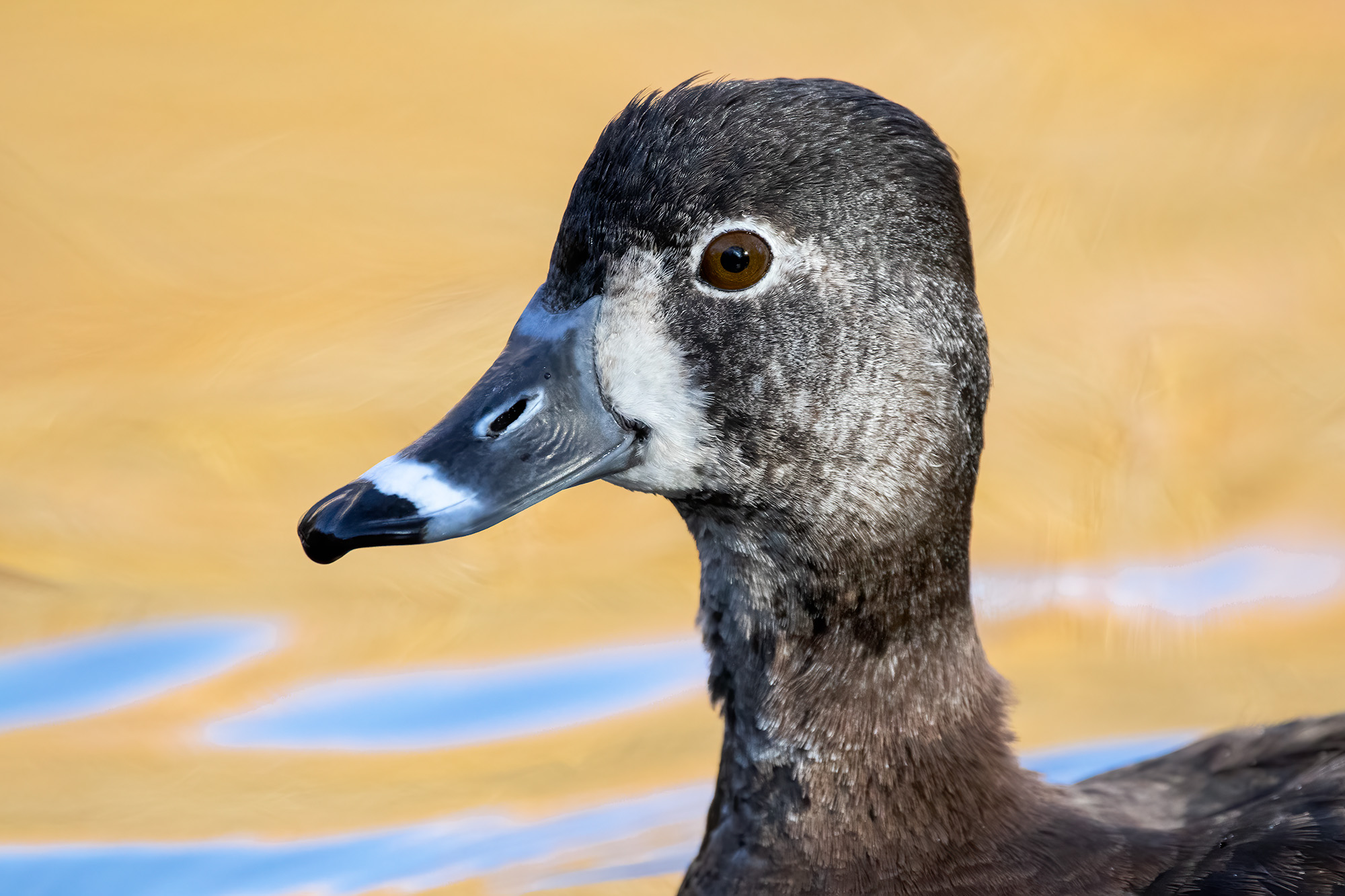
Ring-necked Duck (Aythya collaris)
When we break this down even further, in the top ten bird name source categories we see that physical traits hold the #1 (both sexes 44%), #3 (male traits 8%) and #10 (female traits 0.2%) rankings of name sources. These traits include things like size, colour, plumage, or other more specific features like beaks, eyes, or feet.
There are 52 times more bird species named after male traits than female, and there are two main reasons for this. The first is due to something called sexual dimorphism where the males are noticeably more colourful. Males must compete for the attention of a female, and bright colours or elaborate plumages are ways to do this. The second reason is more historical in nature. Early naturalists often spotted a brightly coloured male before the drabber female and adapted the species name from this.
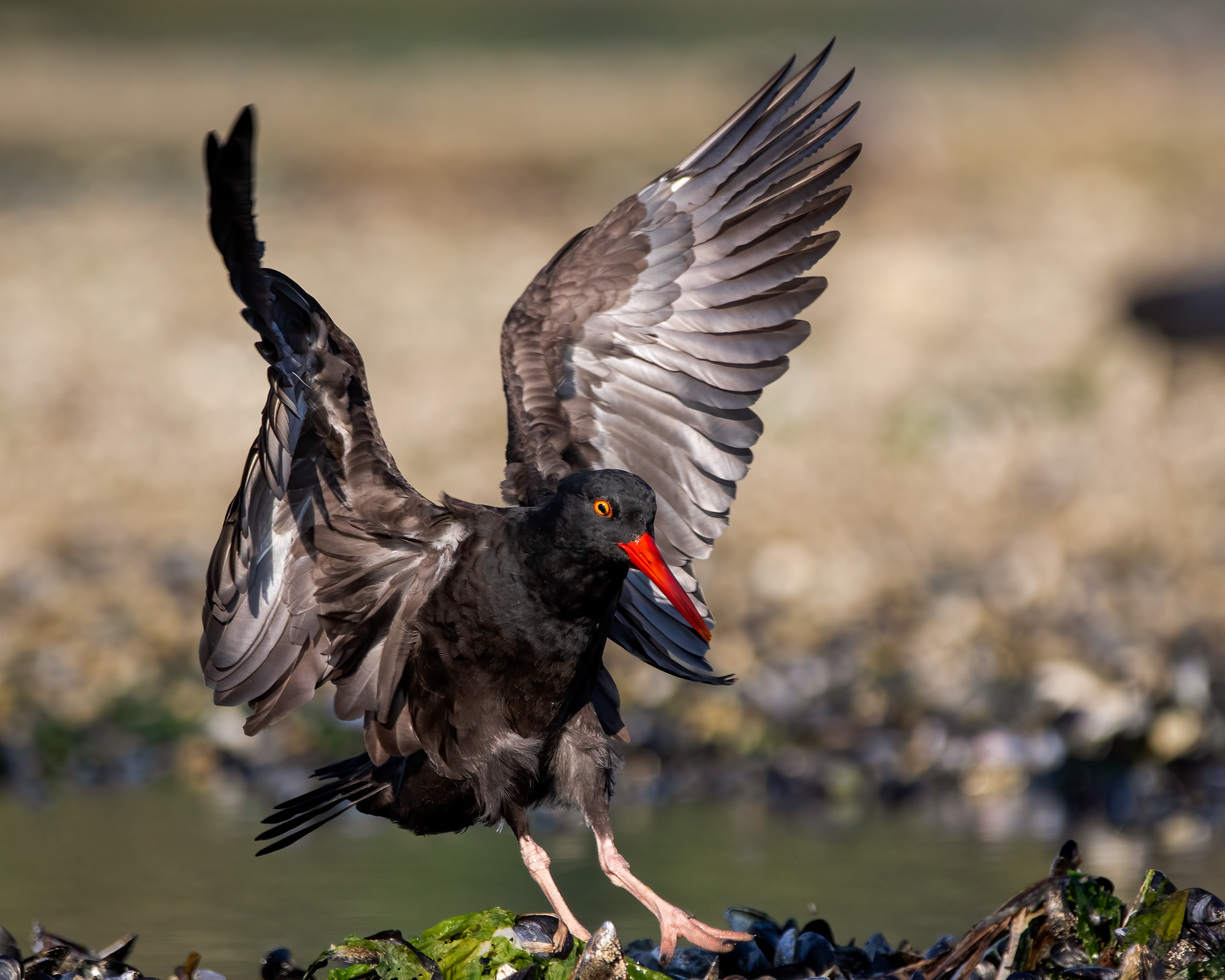
Black Oystercatcher (Haematopus bachmani)
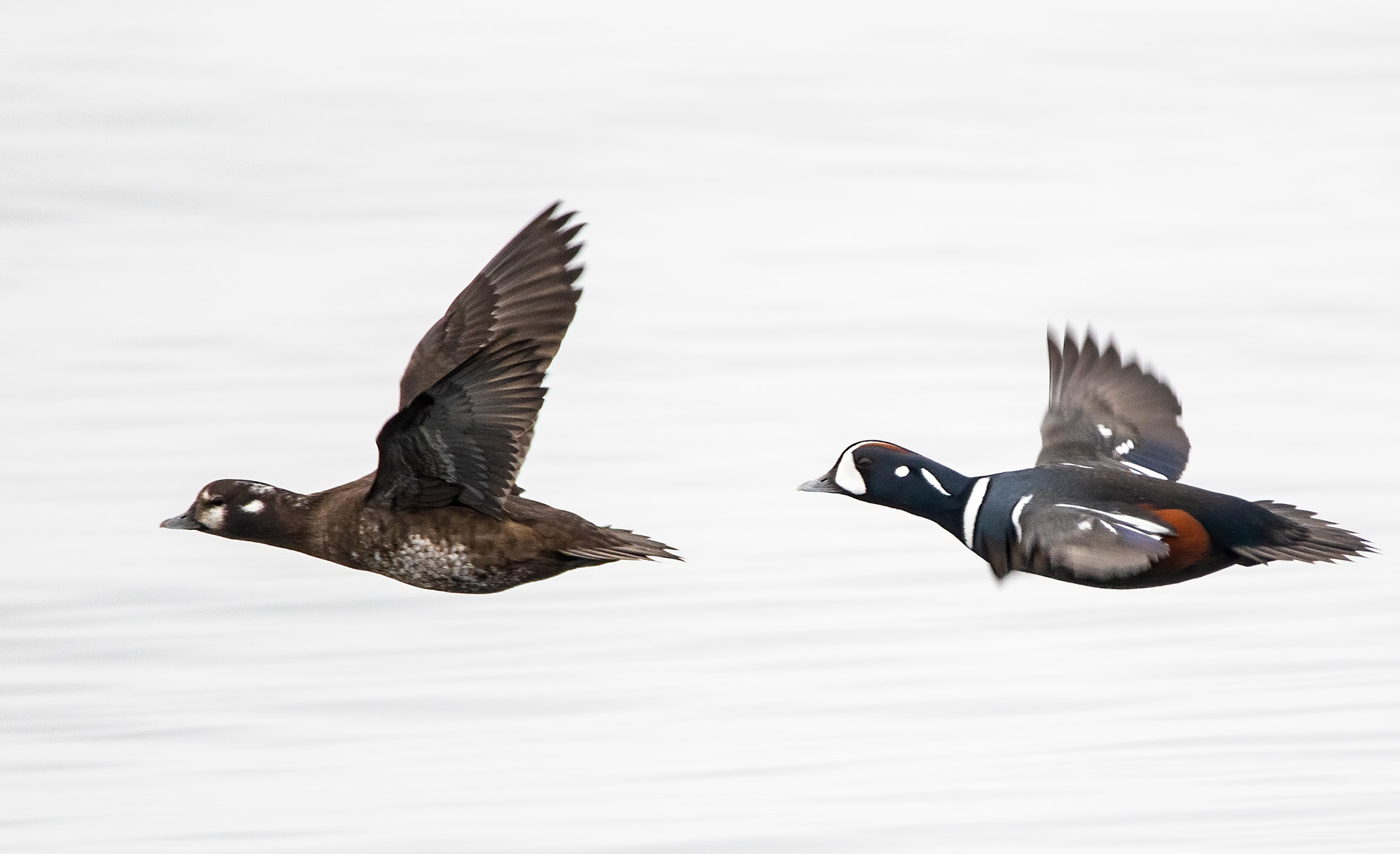
Harlequin Duck (Histrionicus histrionicus)
Examples of birds that take their names from the physical traits of both males and females are Pied-billed Grebes with their two-toned pattern on their bills, Ring-necked Ducks, and Black Oystercatchers. Birds with male trait influences we can see locally include Red-winged Blackbirds and Harlequin Ducks. Given there are only 18 birds named after female physical traits worldwide, we have one locally in the Belted Kingfisher. While both the male and female have striped on their necks, only the female has a rufous band across the chest.
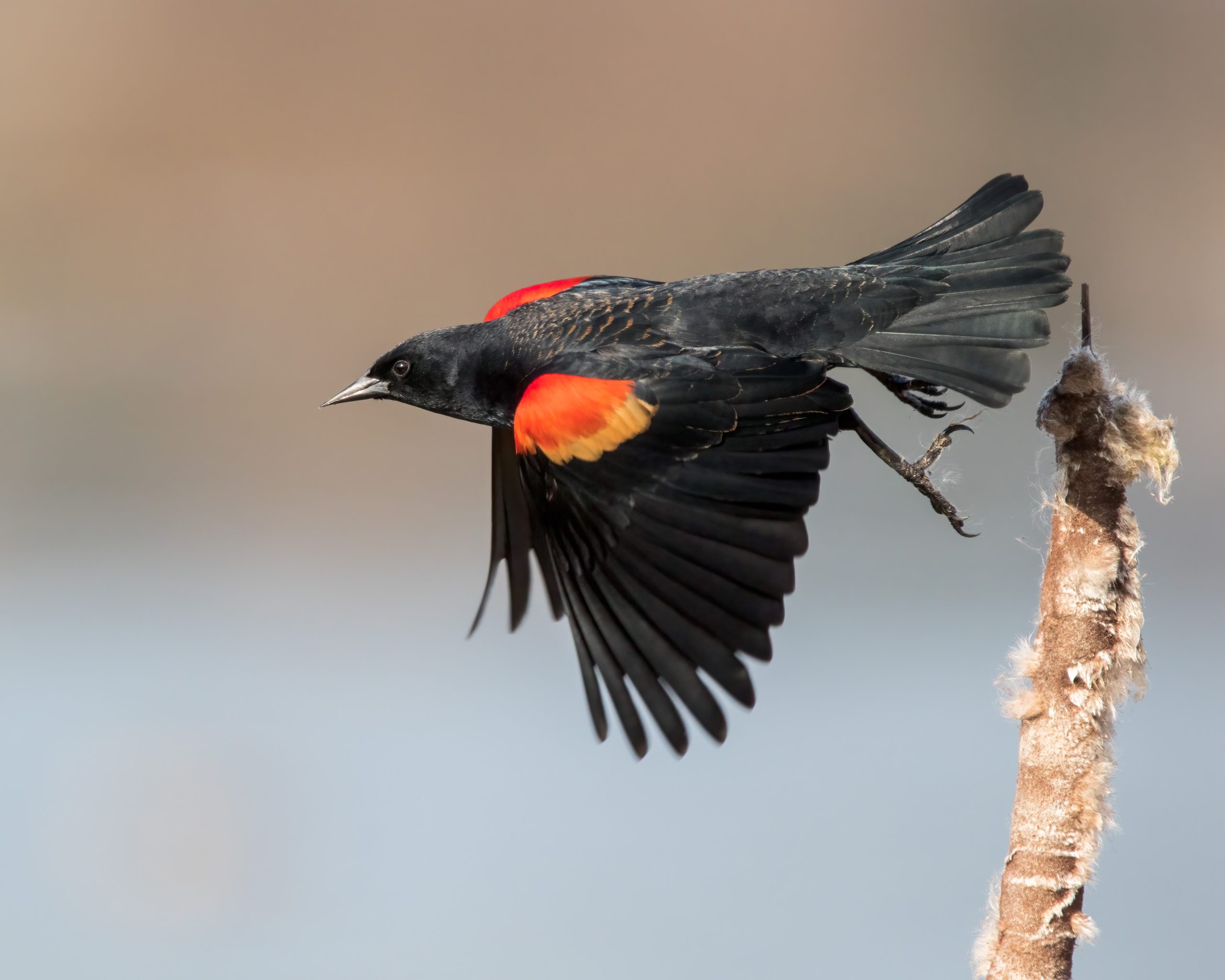
Red-Winged Blackbird (Agelaius phoeniceus)
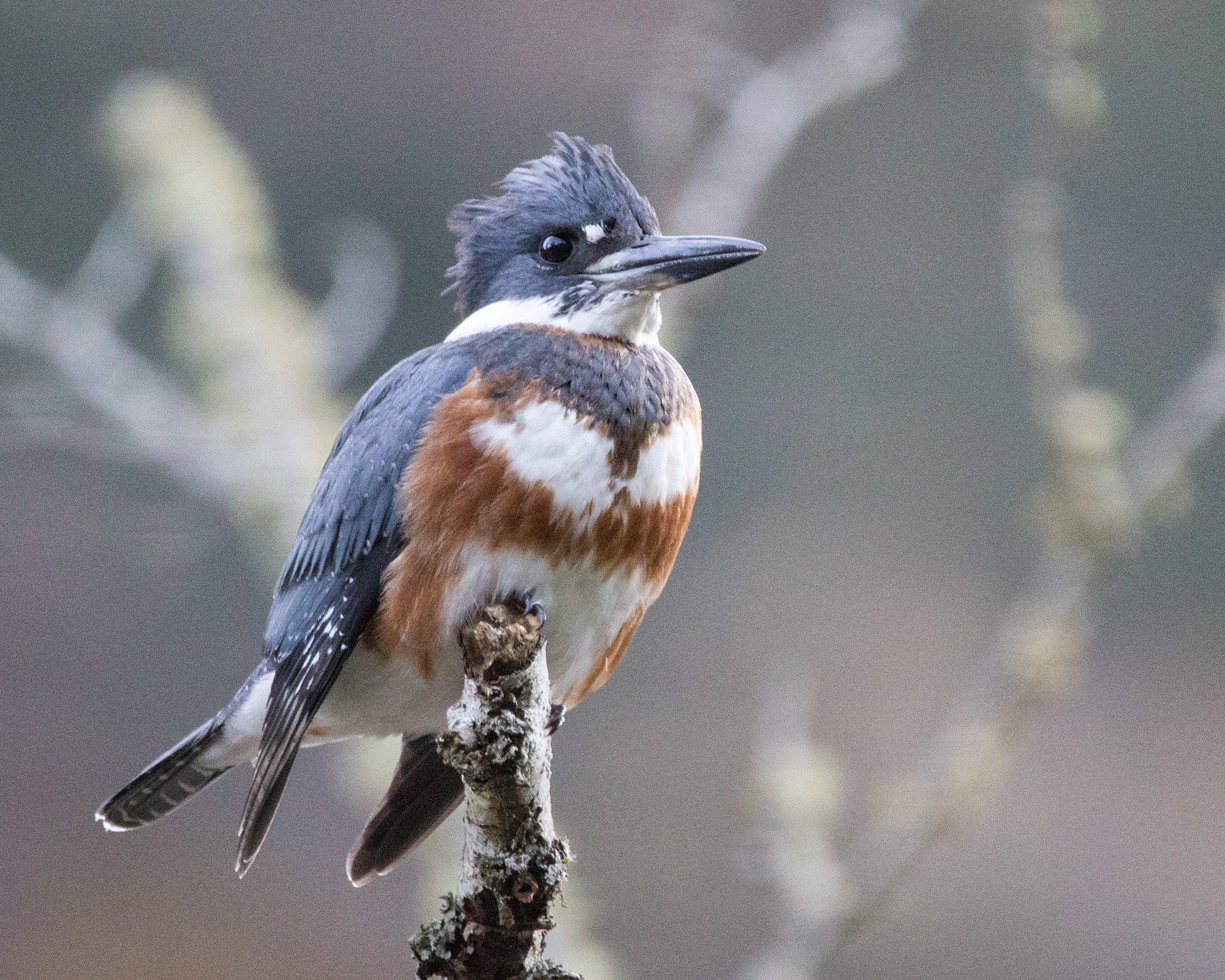
Belted Kingfisher (Megaceryle alcyon)
In the next article in this series, we will look at how birds are named after their physical location and the sounds they make. We will also see the change of moving away from naming birds after people, and the origins of scientific names.
Photo and Text Credit: Bruce Tuck | @BirdsInMyView
Submit your bird questions to visit@swanlake.bc.ca for a chance to have Bruce respond!