Caching Food
Bruce Tuck | Swan Lake Bird Facts
November 2026
Imagine having to sit on your frozen food to thaw it out before dinner! In the winter months, Great Horned Owls catch their prey and allow it to freeze if they want to save it for later. The only way they have to warm it up is use their body heat.
This is one example of how birds cache or store food when it is plentiful, preparing for times when it becomes scarce. Of course, we think more of birds saving and hiding seeds and nuts for the future rather than the odd rodent, and this is where some of our backyard birds come in.
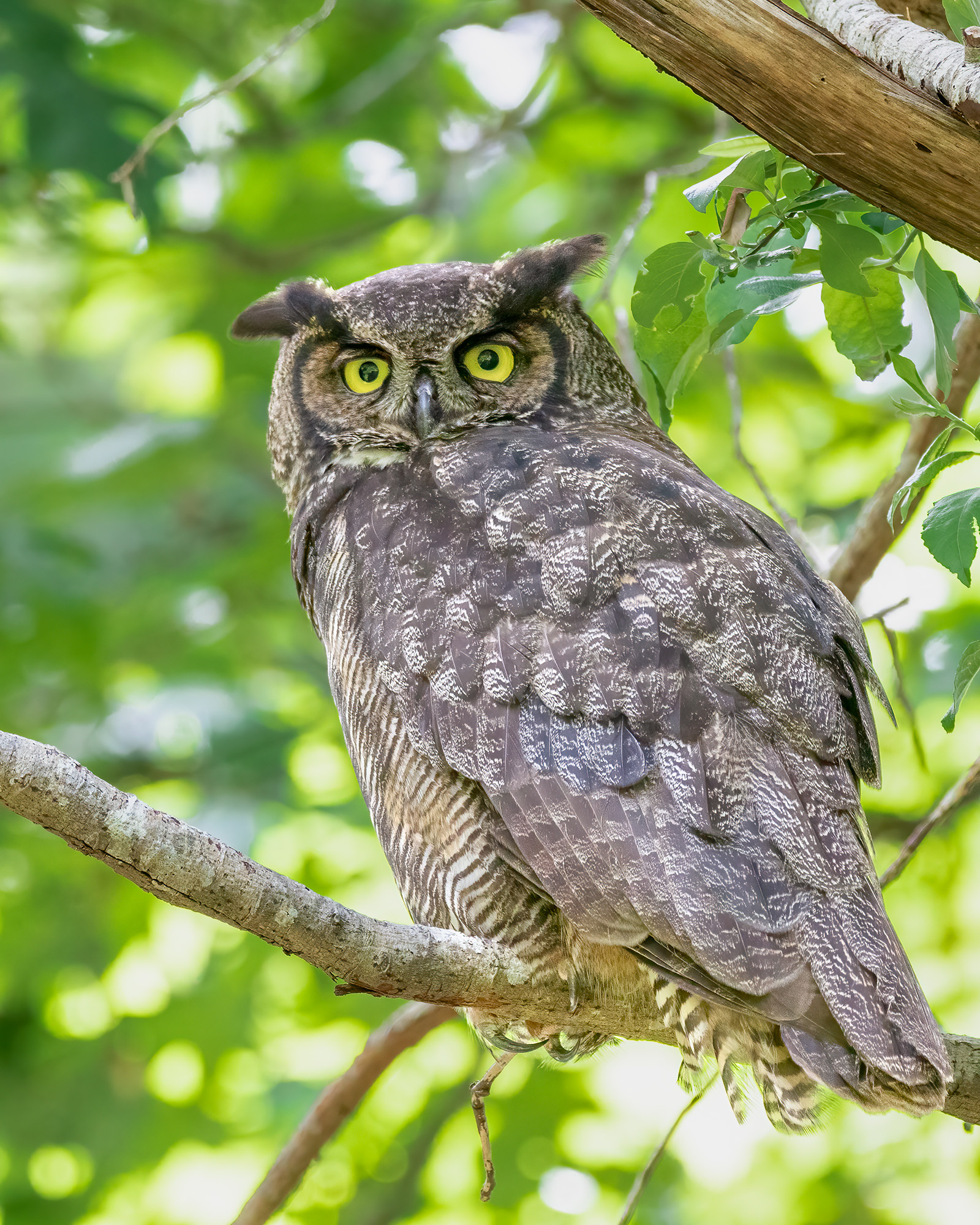
Great Horned Owl (Bubo virginianus)
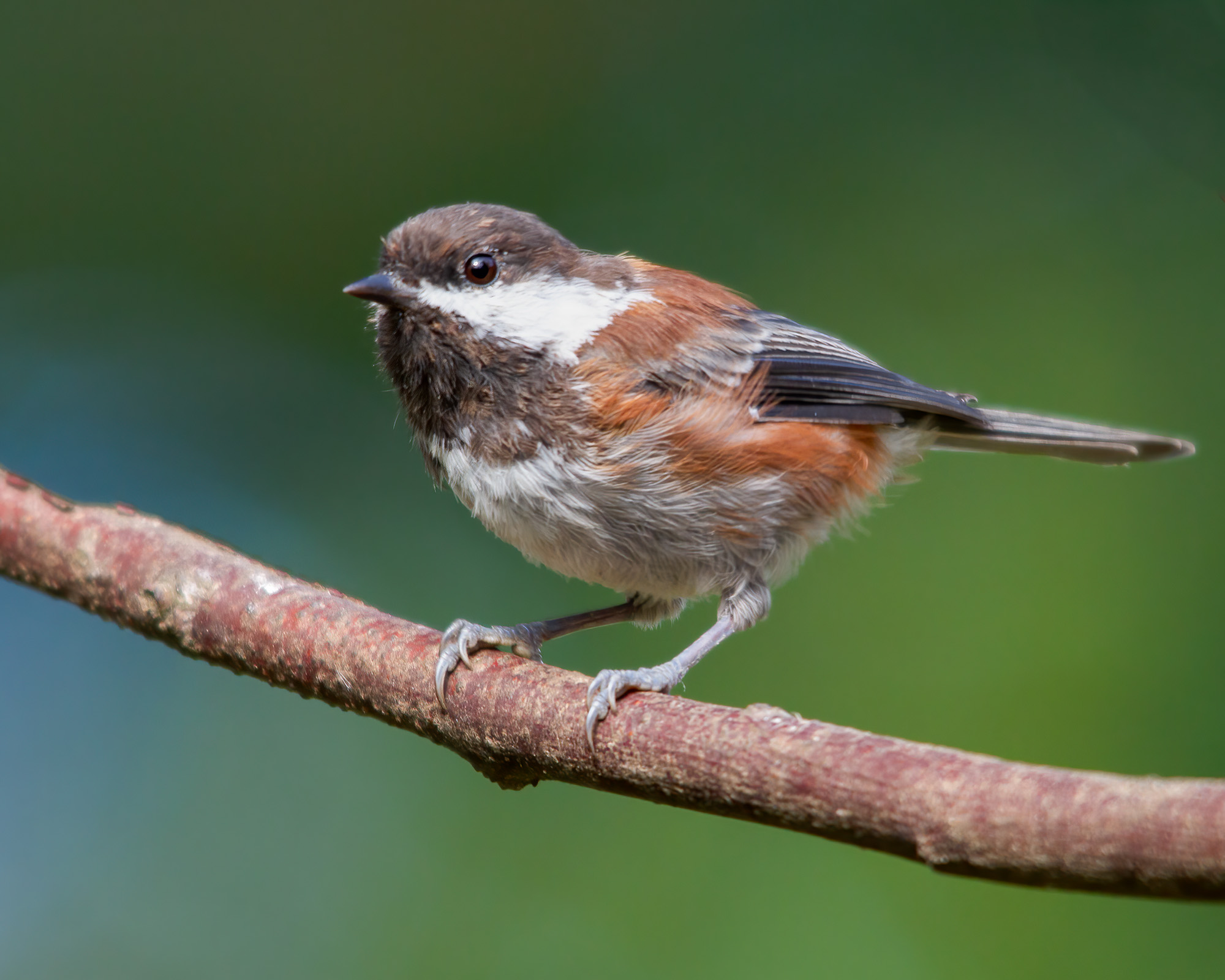
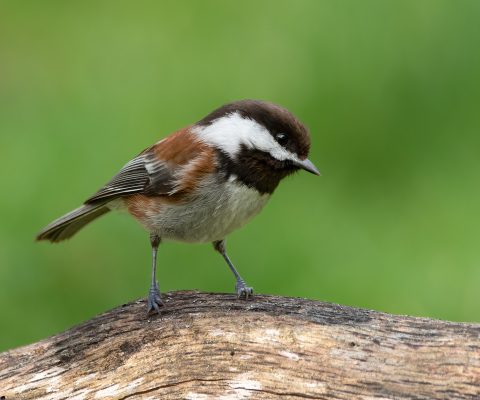
Chestnut-backed Chickadee (Poecile rufescens)
Chestnut-backed chickadees are common locally, while the very similar Black-capped Chickadee can be found on the lower mainland. When seeds are plentiful, they will hide hundreds in a small area using peeling bark, cracks in the wood or leaf cover. They are very aware of other birds in the area and are quite territorial. Could you remember all these hiding places? Chickadees manage this impressive feat using spatial memory and altering their brain growth in the winter to accommodate all these locations. Come spring, their brain shrinks back to normal.
Another tiny bird is the Red-breasted Nuthatch. They can be seen jamming large nuts in trees and using their sharp beaks to break them open. While they do migrate south in the winter, many can be seen locally year round. They too cache food like Chickadees.
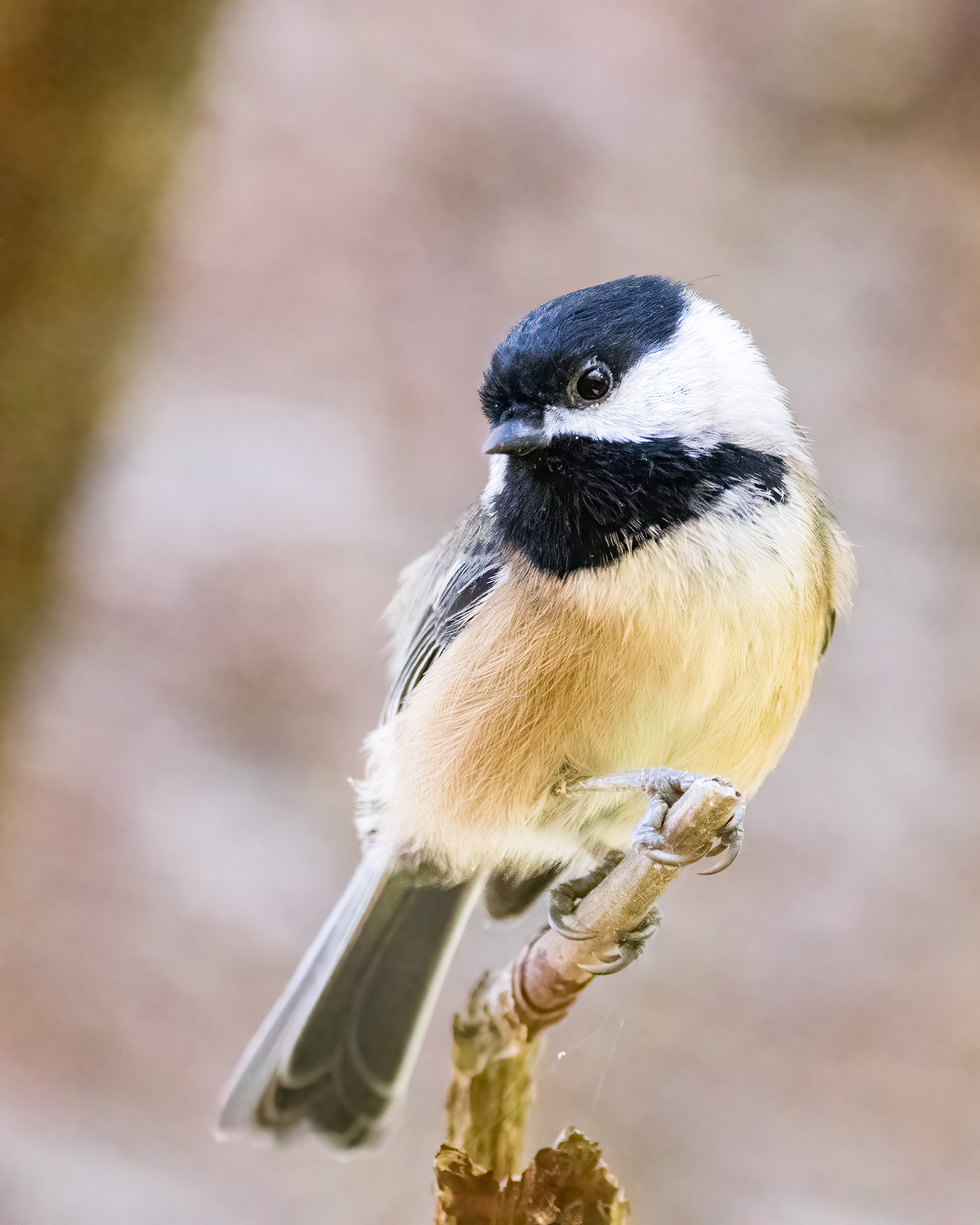
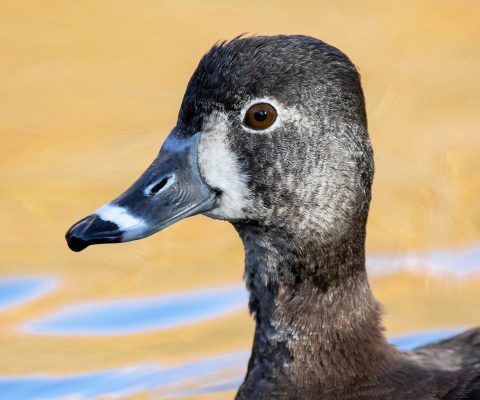
Black-capped Chickadee (Poecile atricapillus)
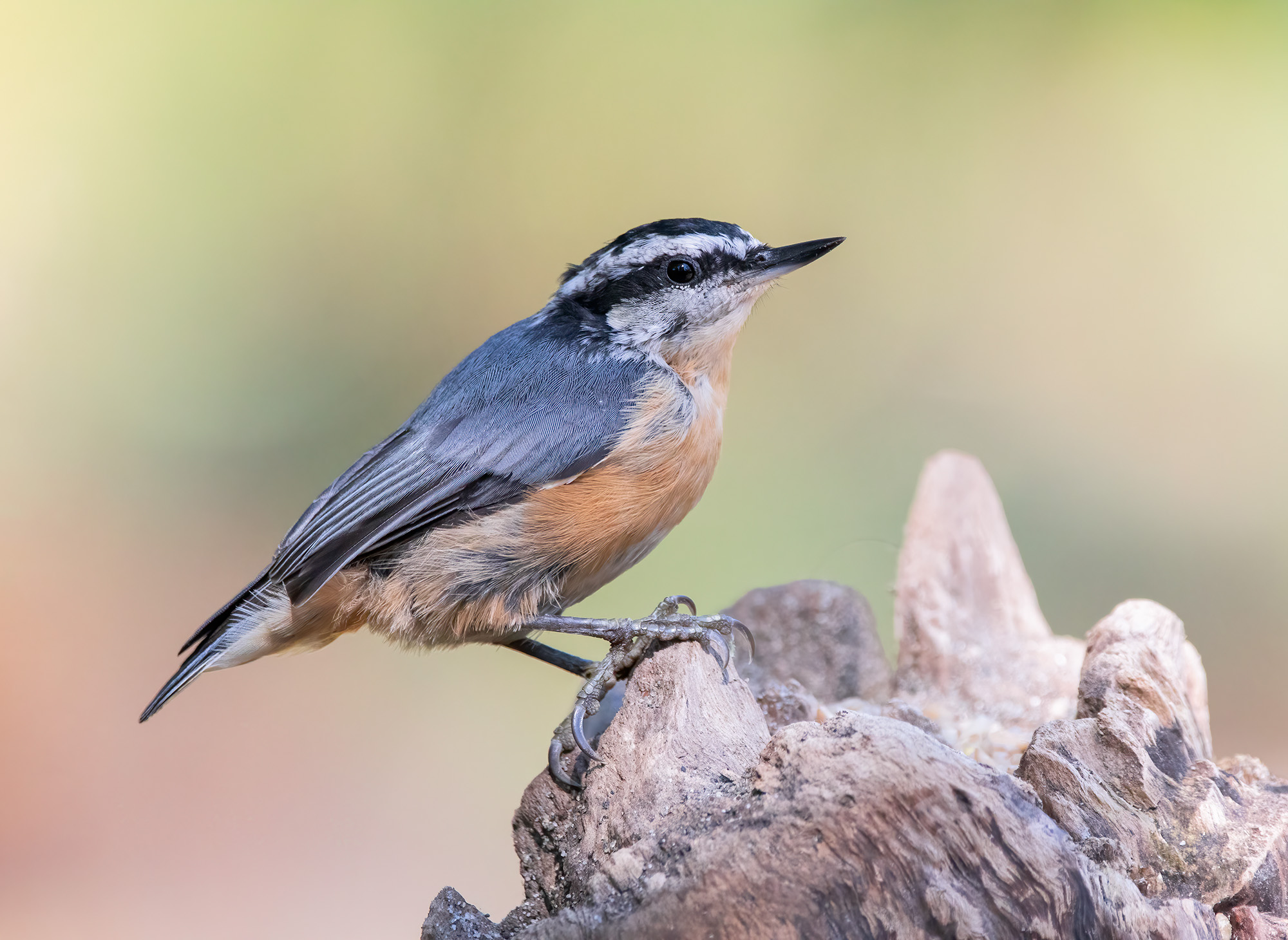
Red-breasted Nuthatch (Sitta canadensis)
While smaller songbirds transport seed one by one, Steller’s Jays can carry several bigger nuts in their expandable throat pouches. When they find a suitable hiding place, they drop off their haul, to be eaten later. This brings up another side benefit of caching. In many ecosystems, seeds or nuts that are not eaten start growing as new plants in the spring.
You would think that woodpeckers, with their strong bills and the ability to dig deeply into the bark, would actively cache food. Pileated Woodpeckers do not, preferring to actively forage over a larger area. The smaller Downey Woodpecker does store seeds and nuts for future use but not as actively as other birds noted. While quite rare locally, Acorn Woodpeckers might be the most impressive when it comes to storing food. Families can drill many thousands of holes in a single tree and place one acorn per hole. These trees are used over and over again through generations.
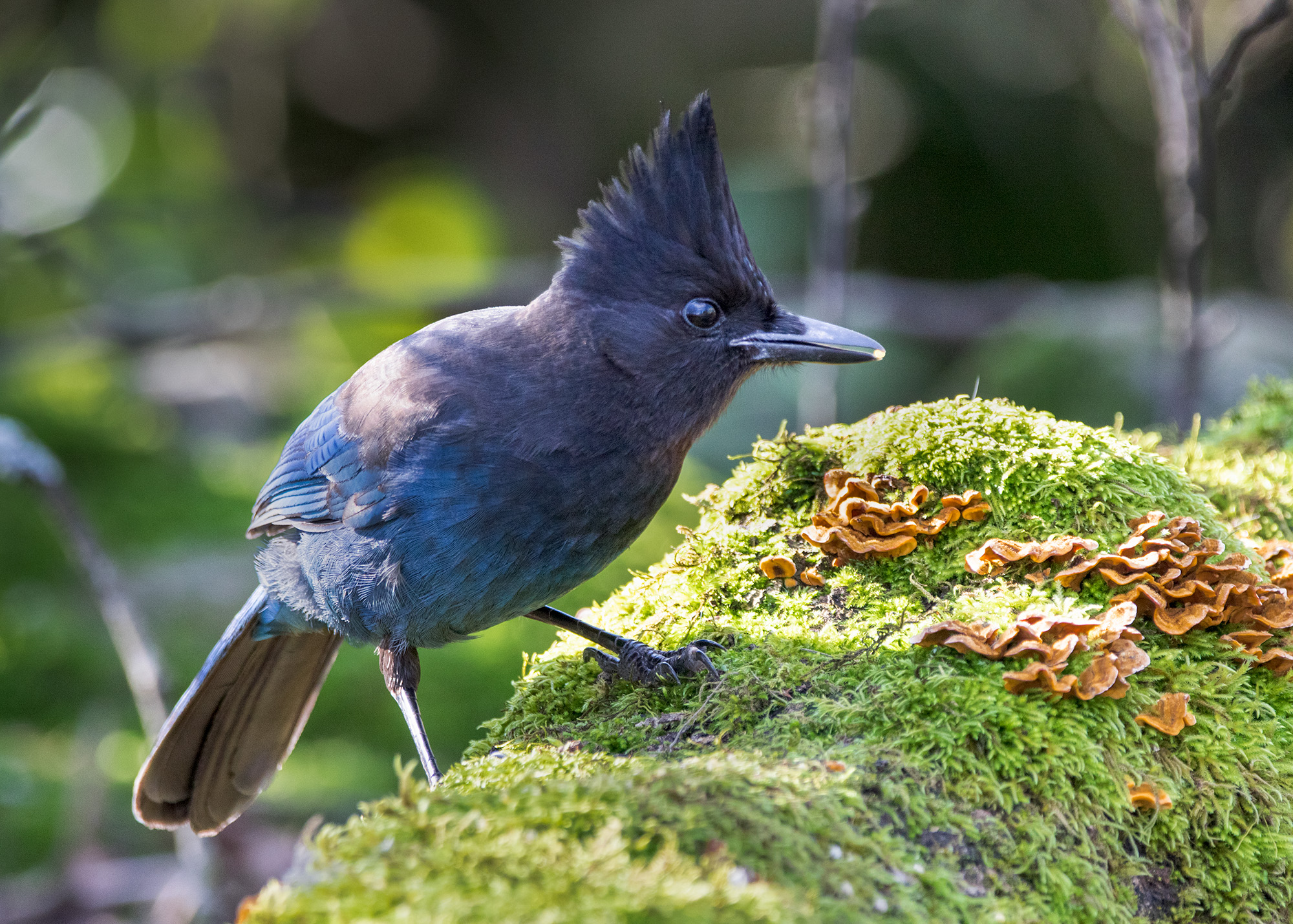
Steller's Jay (Cyanocitta stelleri)
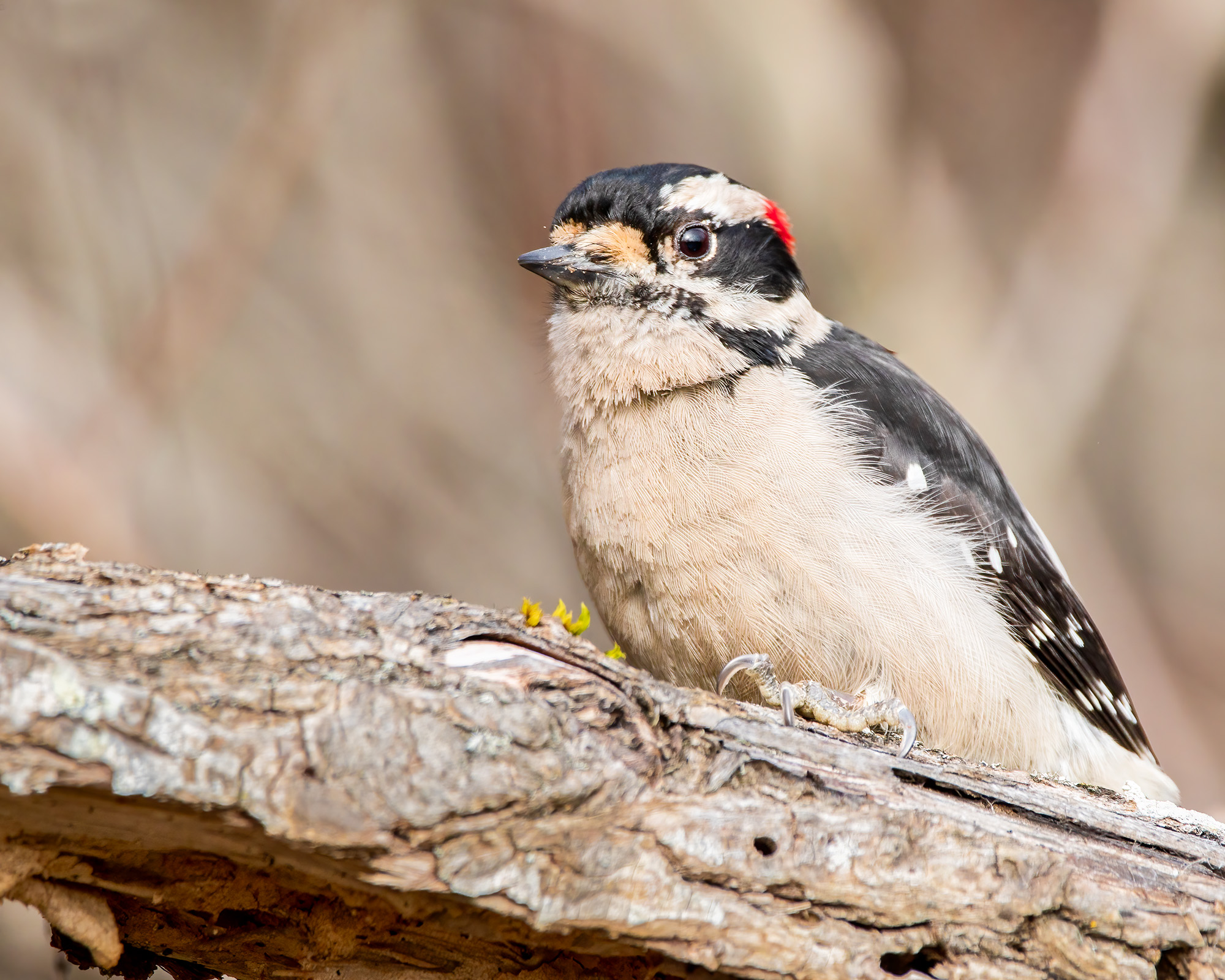
Downey Woodpecker (Picoides pubescens)
It is fascinating to see how different birds handle the oncoming cold and wet weather. Some migrate south where food is more plentiful and others expand their territory when times are tough.
If you have a feeder set up in your back yard, try to count the number of times a Chickadee visits. It can’t be eating all those seeds at once, can it?
Photo and Text Credit: Bruce Tuck | @BirdsInMyView
Submit your bird questions to visit@swanlake.bc.ca for a chance to have Bruce respond!