Name That Bird: Location, Sounds, and Other Influences
Bruce Tuck | Swan Lake Bird Facts
October 2026
In the previous two articles on bird names, we have looked and the organizations responsible for naming birds, how physical characteristics influence naming conventions, and why many more birds’ names are taken from the male of the species. In this final article we will look at how a bird's location and the sounds they make influence naming conventions, how birds named after people are changing to a more unified system, and some of the oddities or local varieties in the bird world.
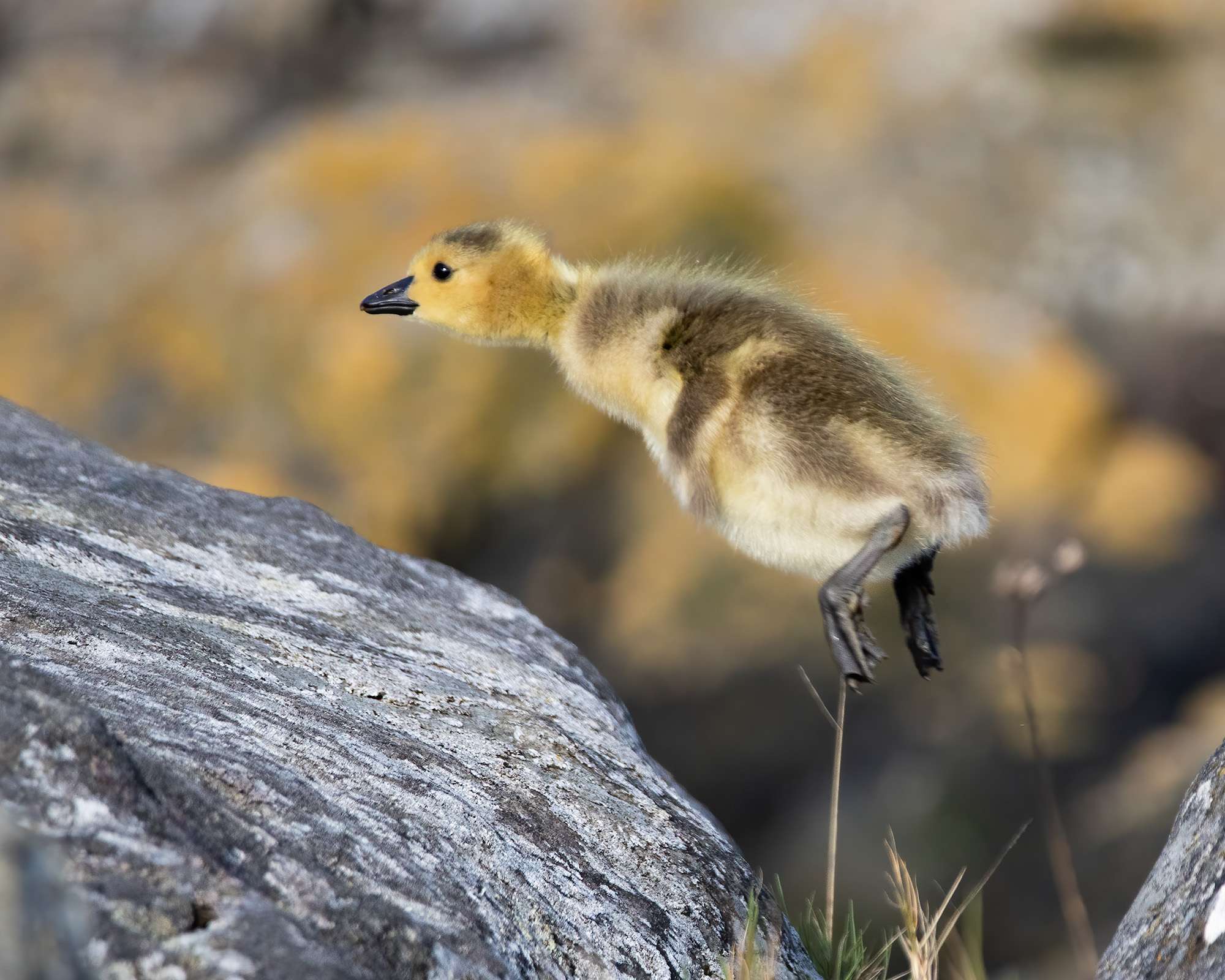
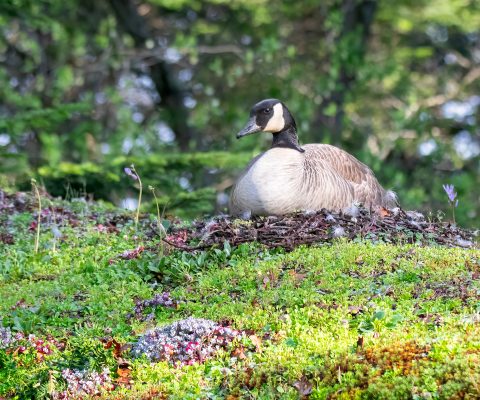
Canada Goose (Branta canadensis)
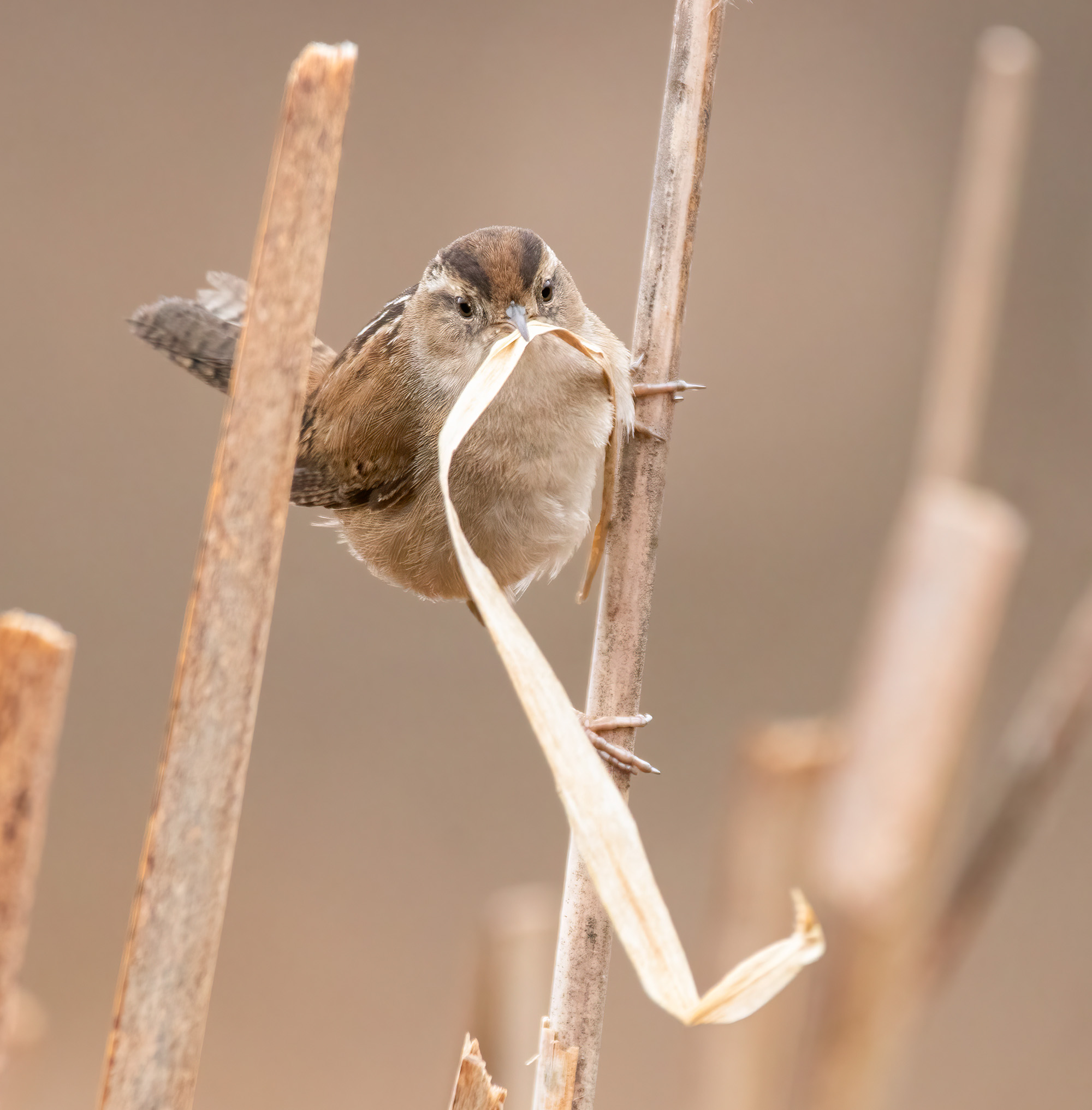
Marsh Wren (Cistothorus palustris)
Perhaps the bird name most familiar to many of us is the Canada Goose. The scientific name is Branta canadensis ("Black Feathered Goose from Canada") although many Canada Geese have never been here! Marsh Wrens are a common species at Swan Lake Nature Sanctuary and are most plentiful in the late spring. Rather than being named after a specific geographical location, they get their name from the habitat they live in.
Another fairly common bird at the Nature Sanctuary is the Northern Flicker. They can often be seen foraging on the ground or even pecking on the side of the Nature House. The 'Northern' description comes from the fact that they are the most northern of the Flicker species. Chestnut-backed Chickadees can be found year-round locally. They are named after both their appearance and vocalizations which can be described as: “chick-a-dee dee-dee”.
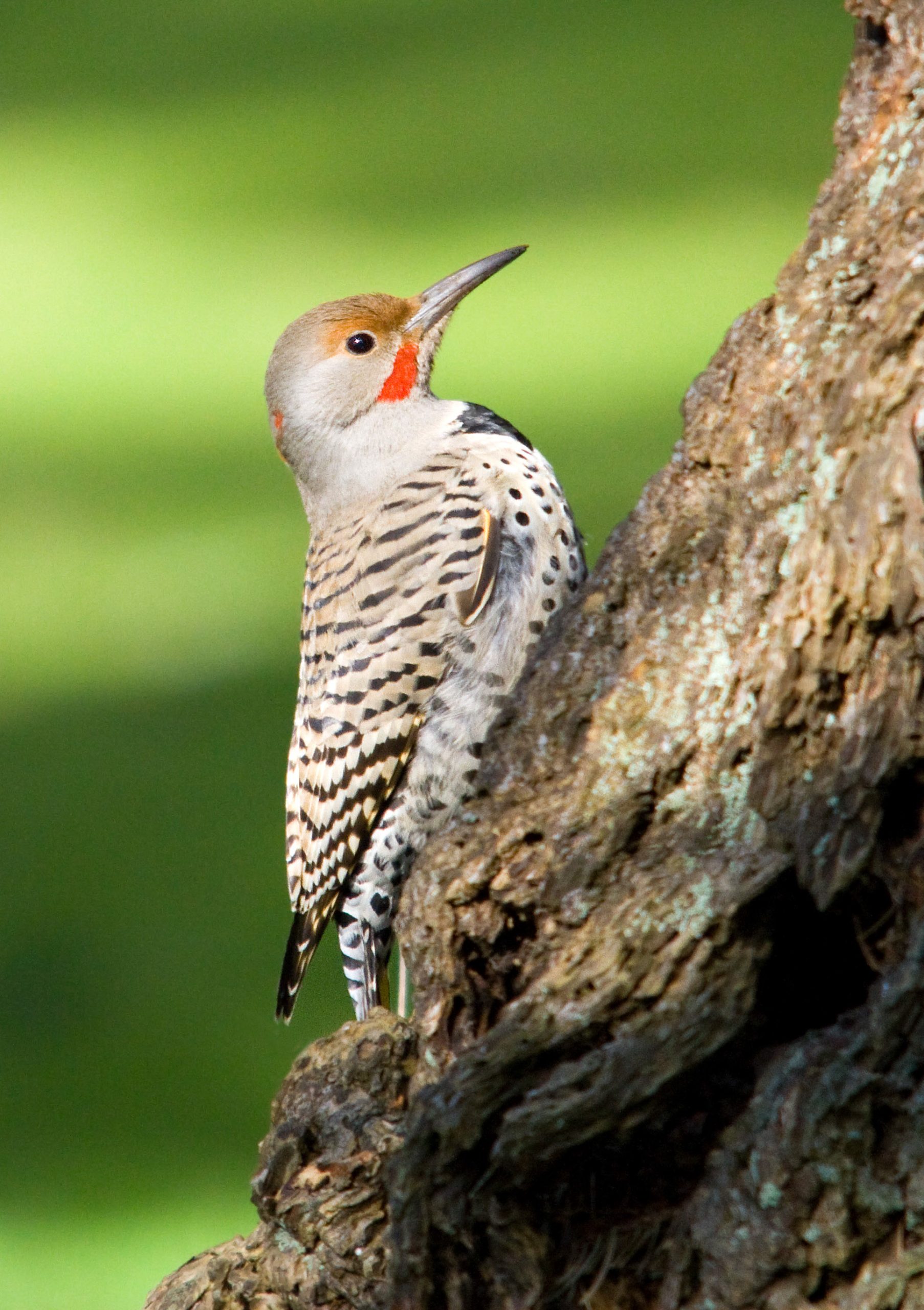
Northern Flicker (Colaptes auratus)
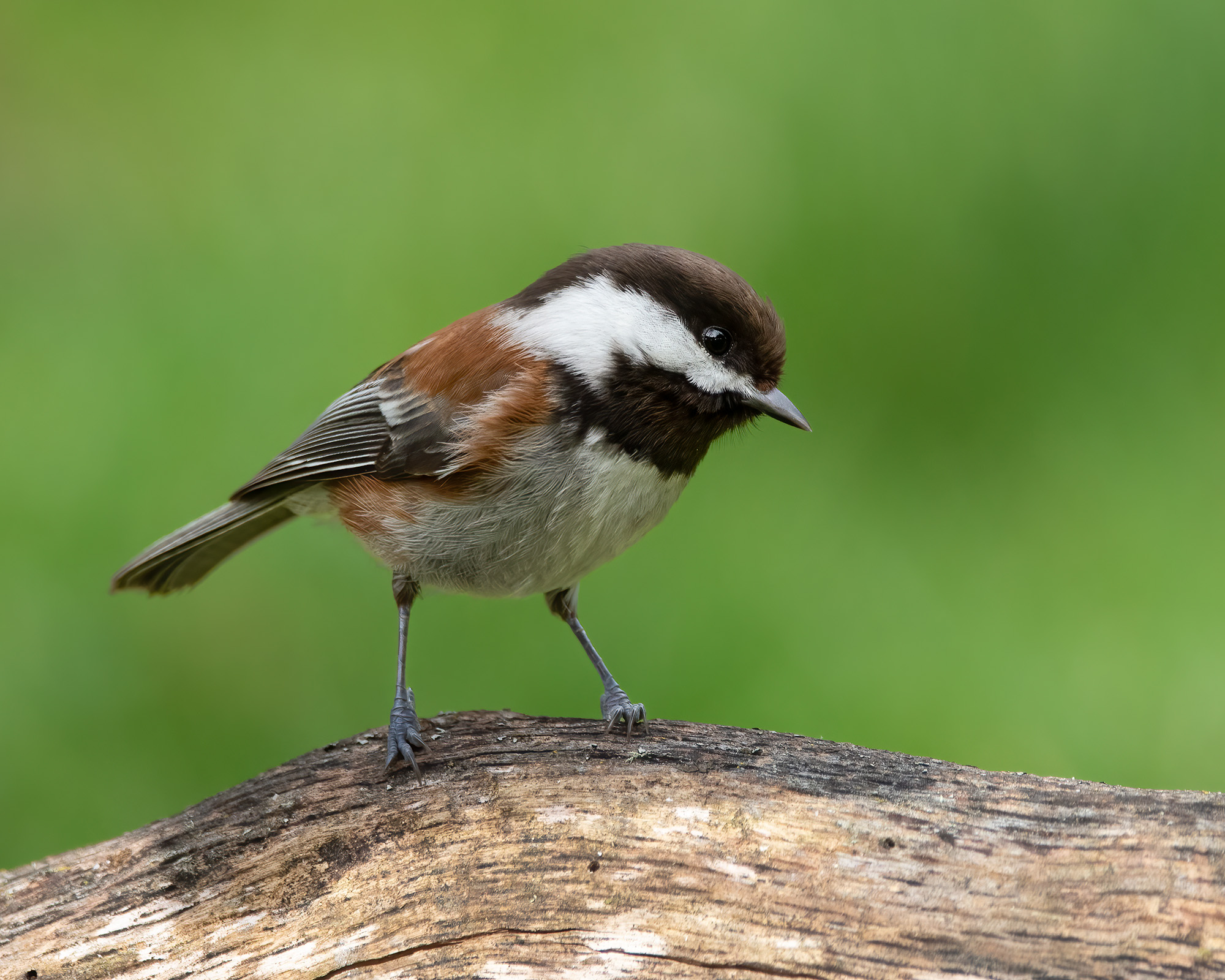
Chestnut-backed chickadee (Poecile rufescens)
The American Ornithological Society maintains English and scientific bird names in their area of jurisdiction. Recently they began a process to change approximately 152 bird names that are currently named after people. The reasons are many, however terms deemed harmful and exclusionary within historical contexts have prompted the process.
Local birders can name many familiar species that have been named after people. The Steller’s Jay became BC’s provincial bird in 1987. It was named after Georg Wilhelm Steller who was an 18th century German naturalist. The Steller Sealion is another species named after him. The Anna’s Hummingbird is a frequent visitor to local backyards. It was named in the 1800’s by René Lesson after Anna Masséna, Duchess of Rivoli, although she likely never saw a live specimen.
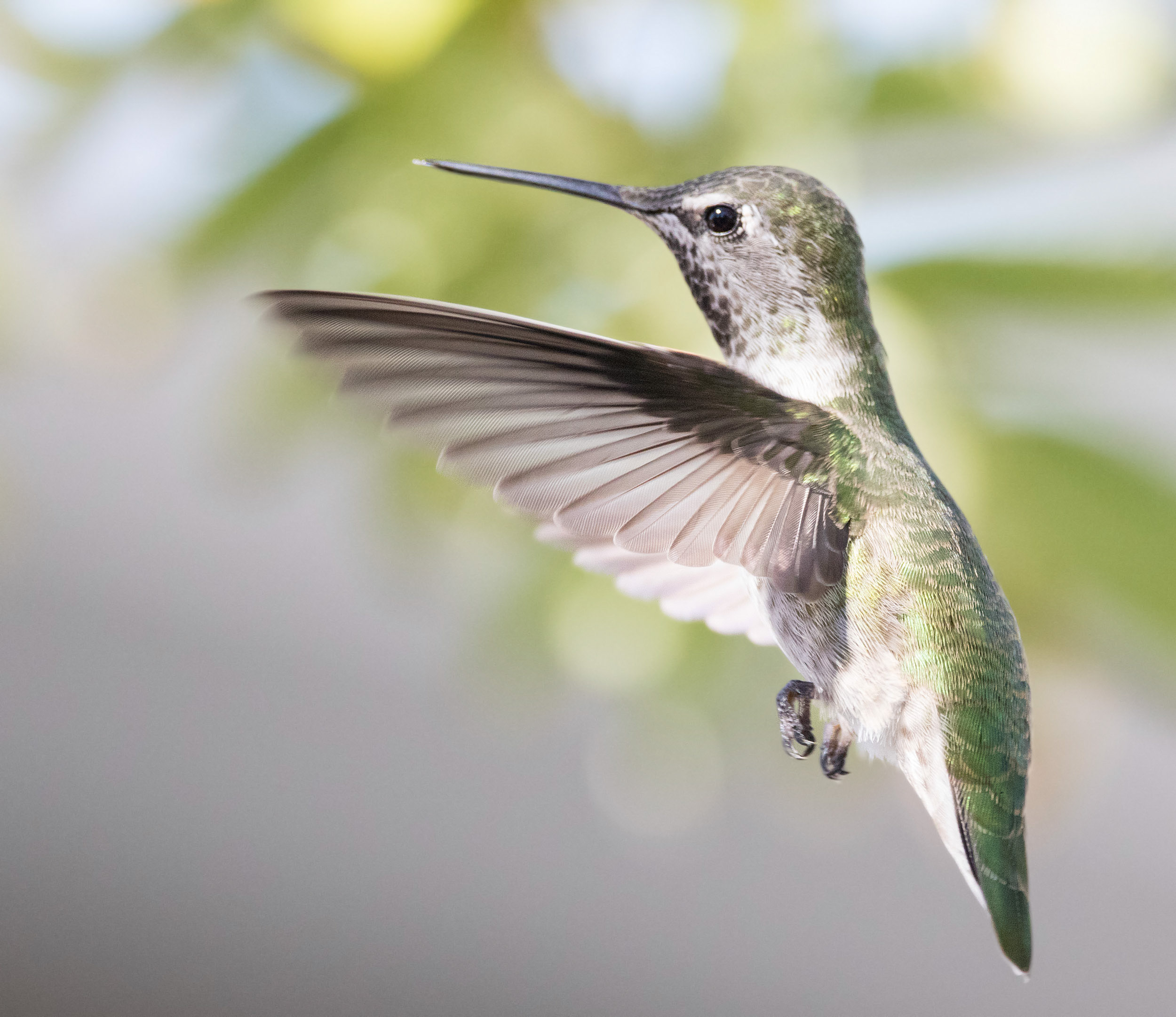
Anna's Hummingbird (Calypte anna)
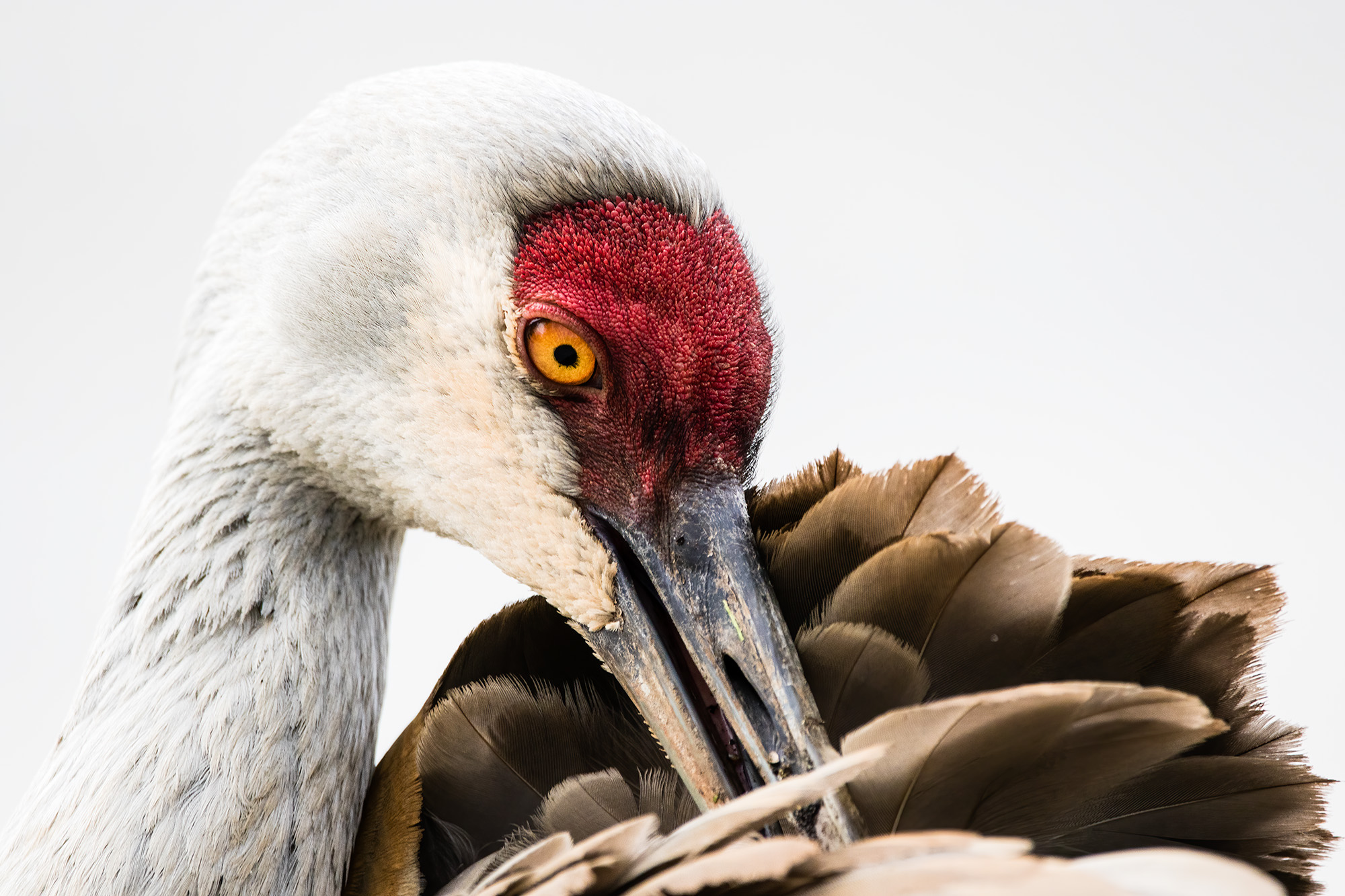
Sandhill Crane (Grus canadensis)
While we have focussed primarily on the English names for birds, many historical, cultural, and local names exist. Many have been carried over exclusively through oral histories. Occasionally we see Sandhill Cranes locally, although they mostly pass through the north central region of our Province. The St̓át̓imcets (Lillooet) name for them is s.twa7. Hikers in local mountains will have seen the Whiskey Jack, which is commonly called the Canada Jay in many communities.
Learning the names of birds can be a challenge but moving towards a more unified and simpler approach should help. It can be the first step in recognizing the many species we see on a daily basis, and identifying special infrequent visitors that drop in from time to time.
Photo and Text Credit: Bruce Tuck | @BirdsInMyView
Submit your bird questions to visit@swanlake.bc.ca for a chance to have Bruce respond!