Migratory Birds
Bruce Tuck | Swan Lake Bird Facts
April 2026
Where do all the birds come from and where do they go? As you explore the Nature Sanctuary you will notice that at certain times of the year there appears to be more activity than others.
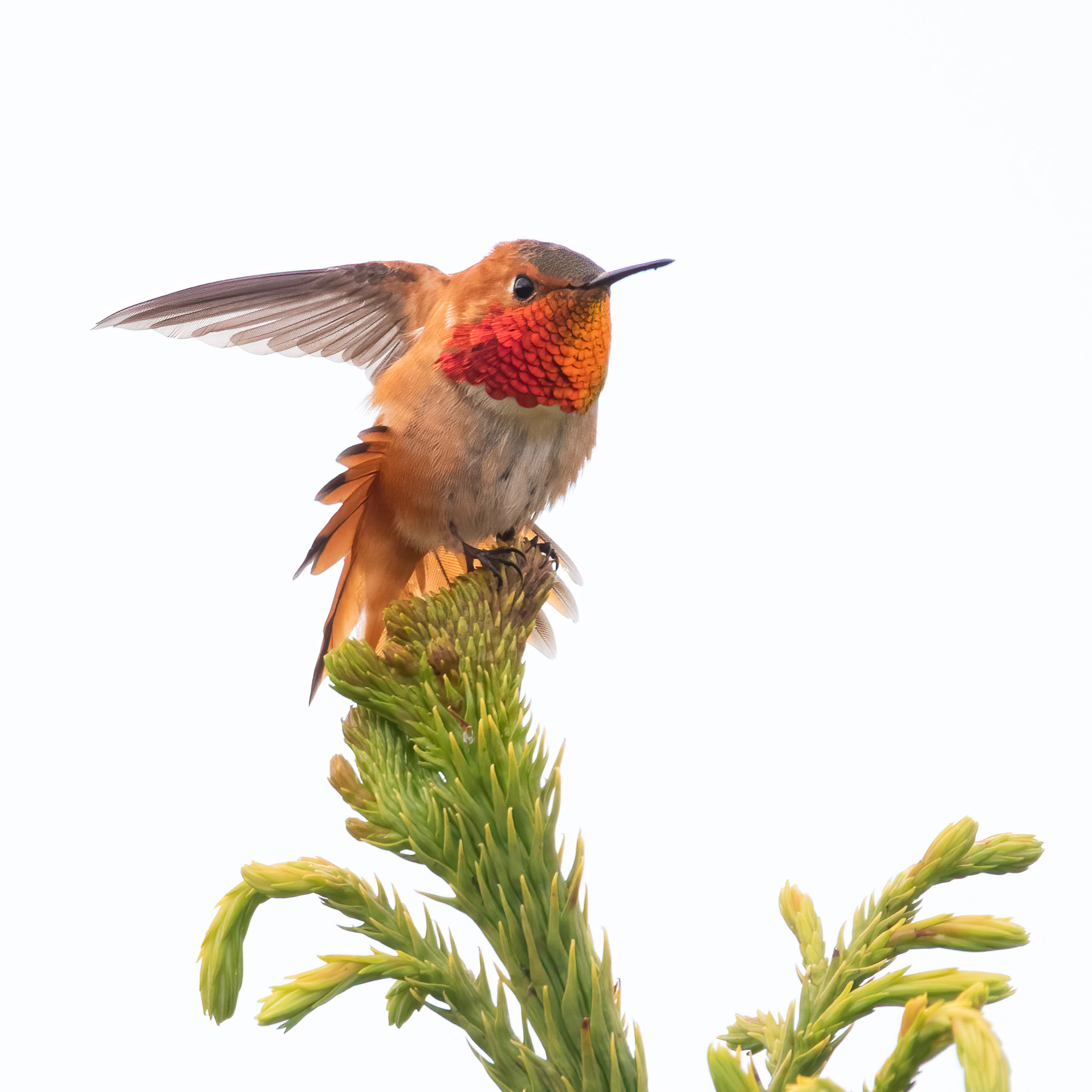
Rufous Hummingbird (Selasphorus rufus) – Winters in southern United States and Mexico and arrives in B.C. in mid to late March.
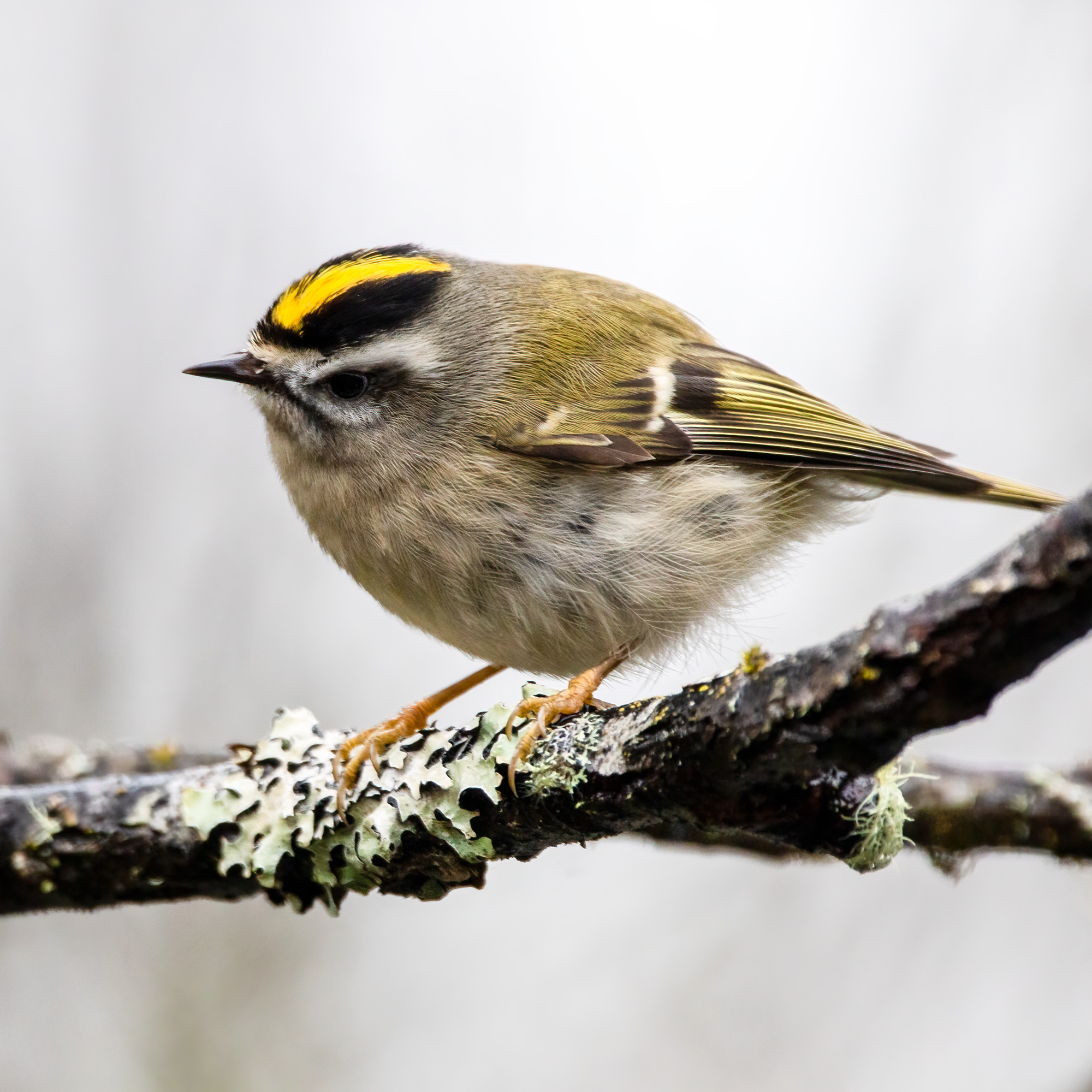
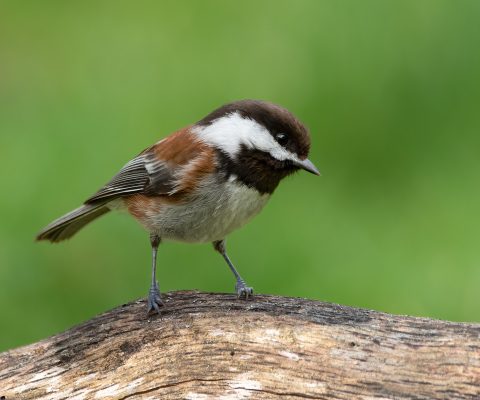
Golden-crowned kinglet (Regulus satrapa) – Some stay all year, and many migrate south in the fall.
Some bird species are present for a few months then disappear till the following year while other species can be found year-round. The explanation for this predictable phenomenon can be found by looking at migration, which is the regular movement of animals between breeding grounds and wintering grounds in search of food, warmth, and nesting habitats.
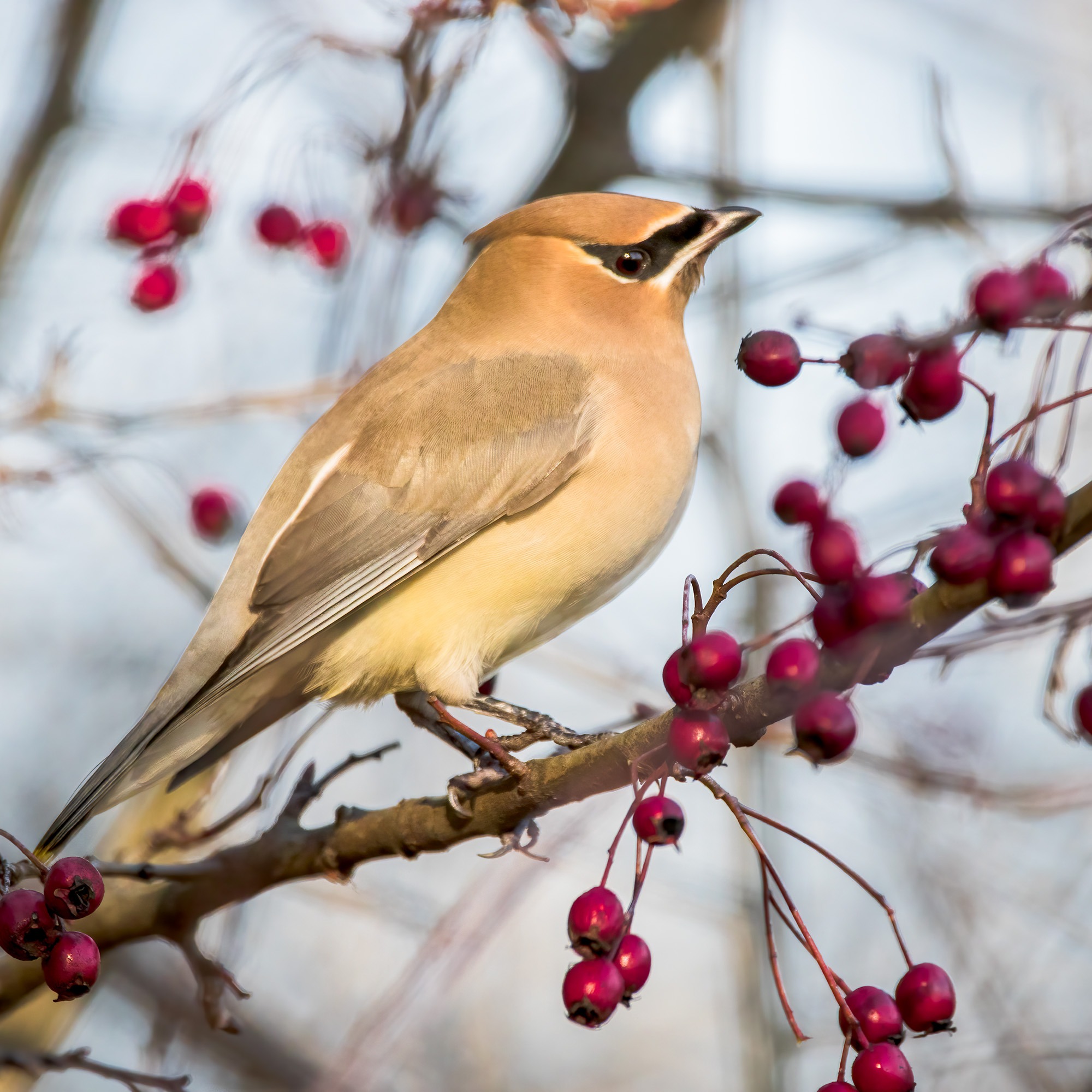
Cedar Waxwing (Bombycilla cedrorum) – Can be found locally in late spring/summer, and many winter in southern United States.
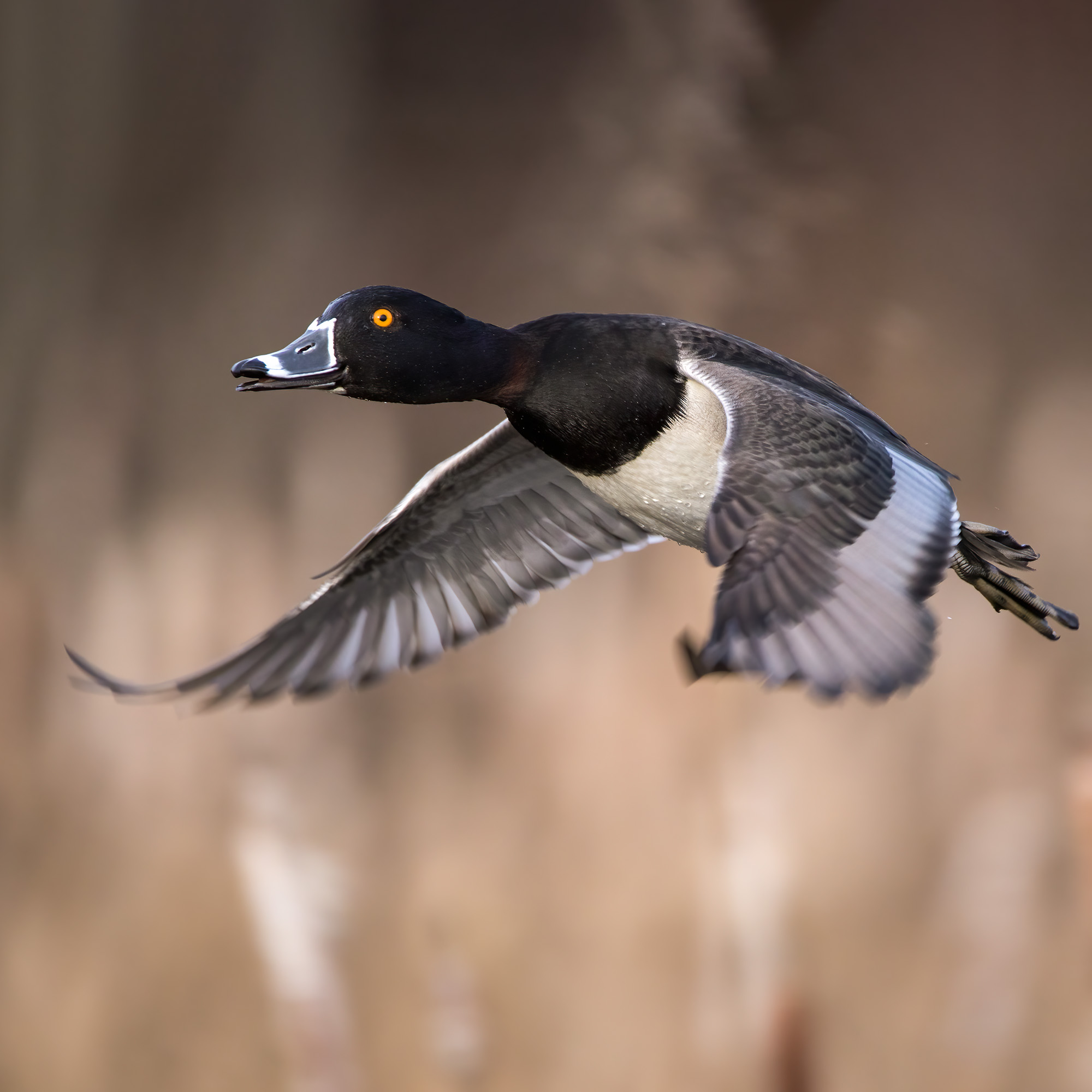
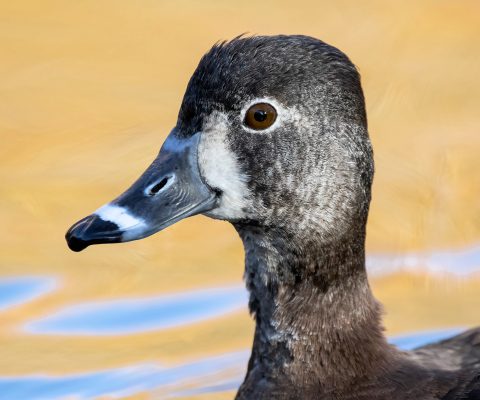
Ring-necked Duck (Aythya collaris) – Migrate on the Pacific Flyway, although many breed in B.C.
Birds are not the only animals that migrate. Some of the smallest creatures in the world, like Monarch butterflies, migrate over 2500 km twice a year while the Humpback whales we see in local waters in the spring and summer, winter in Mexico and Hawaii.
The longest migrating bird is the Arctic Tern which travels over 60000 km annually, while the longest recorded nonstop migratory flight was by a Bar-tailed Godwit which traveled 13500 km!
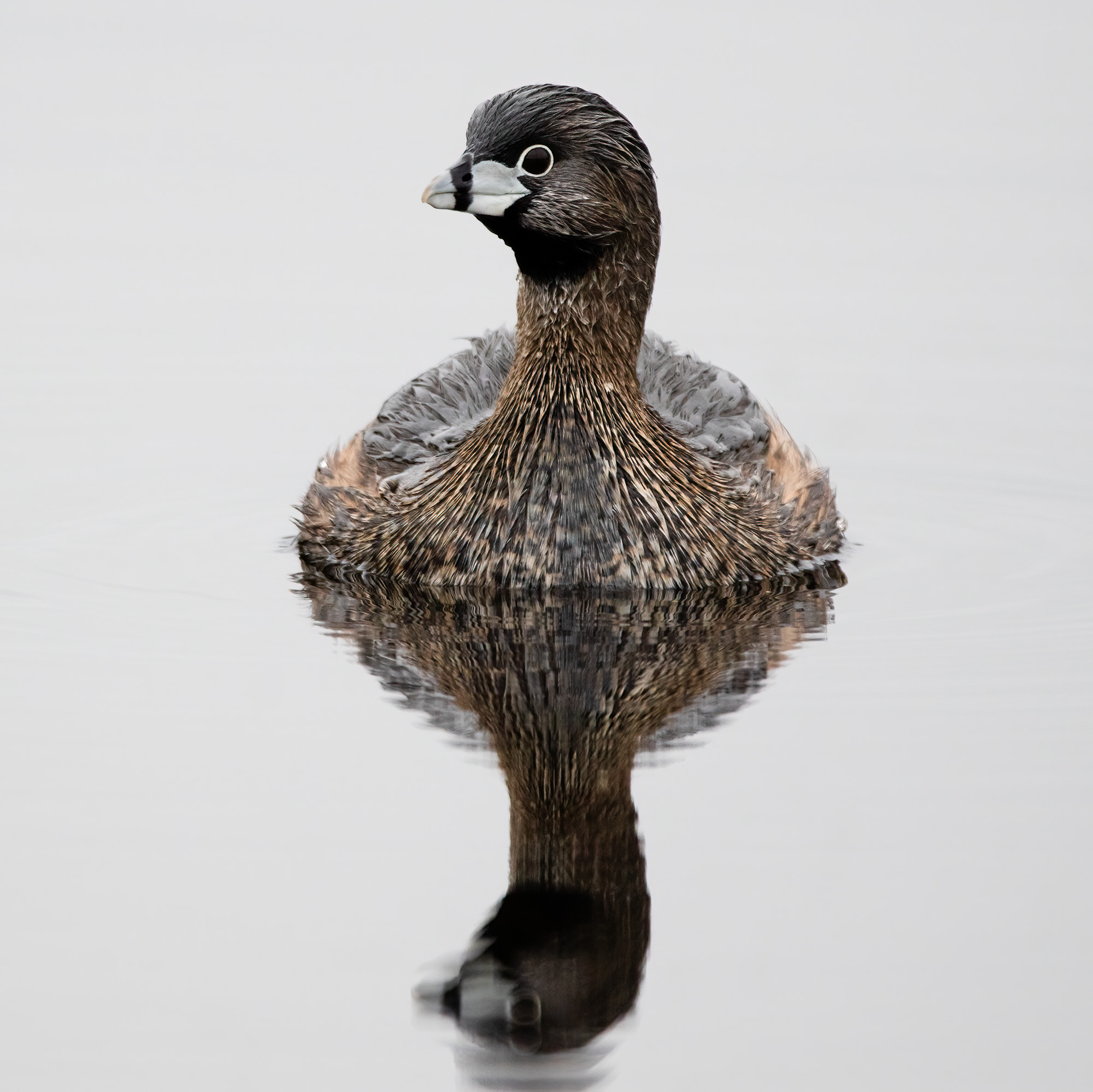
Pied-billed grebe (Podilymbus podiceps) – Some present all year, others migrate to southern United States and Mexico.
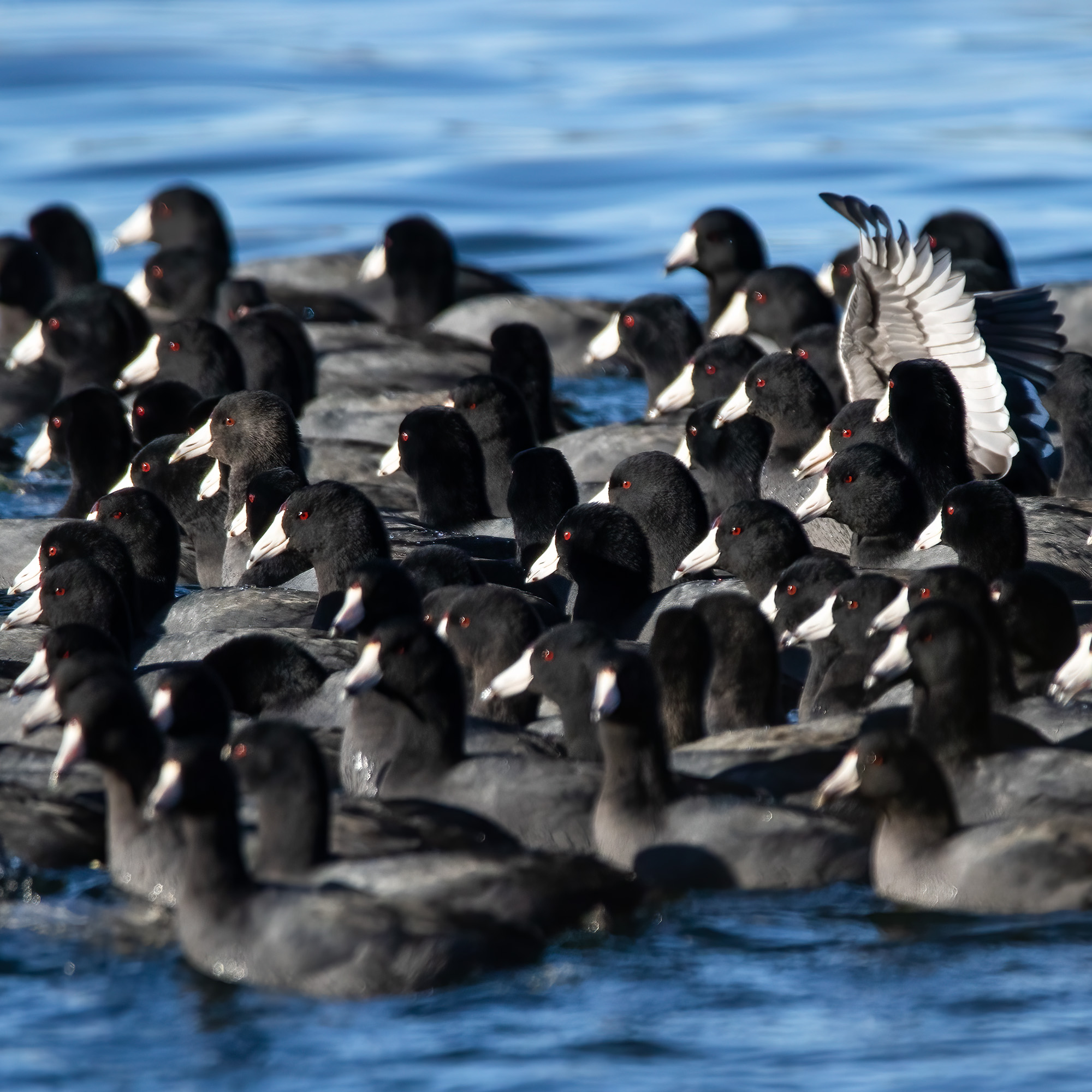
American Coot (Fulica americana) – Short to medium migration, many breed in northeast B.C.
World Migratory Bird Day occurs on the second Saturday of May (May 9,2026), in Canada and the United States and the second Saturday of October in Mexico and Central and South America.
We are particularly fortunate in Victoria in that we sit right in the middle of the Pacific Flyway which is a major migratory route extending from the Canadian Arctic to Patagonia in Chile and Argentina. This 6200 km route is one of four major Flyways in North America and sees over one billion birds annually.
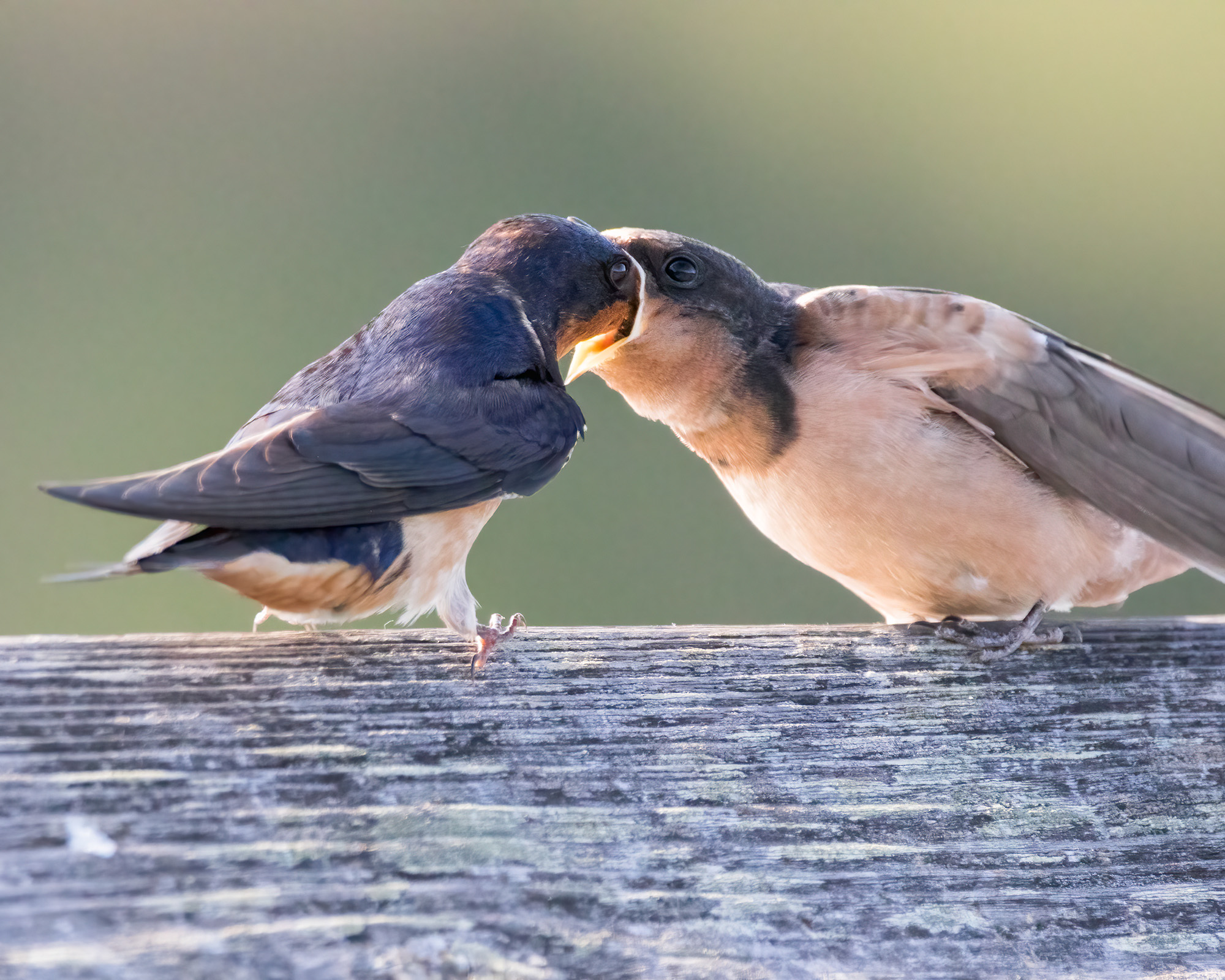
Barn swallow (Hirundo rustica) – Spring and summer breeding in B.C., migrate to Central and South America in the fall.
In future articles we will have a look at the different types of migrations why birds migrate in the first place, when to look for certain species locally, and how a rare bird shows up in our local area.
We will also find out what birds we can find throughout the year and why they don’t migrate at all.
Photo and Text Credit: Bruce Tuck | @BirdsInMyView
Submit your bird questions to visit@swanlake.bc.ca for a chance to have Bruce respond!