Migratory Birds: Types of Migration
Bruce Tuck | Swan Lake Bird Facts
May 2026
As we learned in the last article, World Migratory Bird Day is on Saturday, May 9th. In this edition we will look at the different types of bird migration; there are more than you think!
Birds migrate for many reasons, but the three main ones are food availability, weather and climate, and suitable breeding and nesting areas. If these three factors are available year-round, certain birds may not migrate at all.
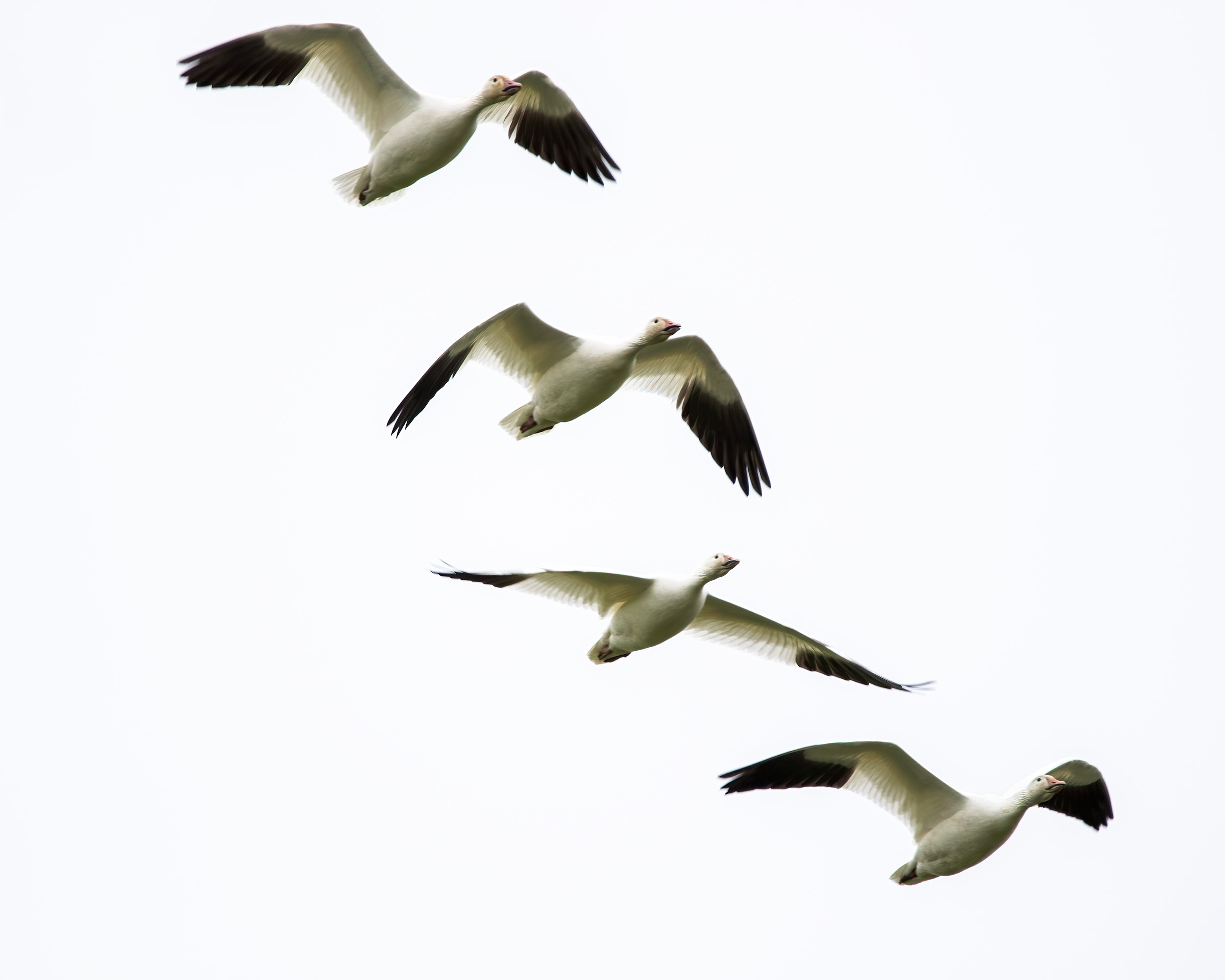
Snow Goose (Anser caerulescens)
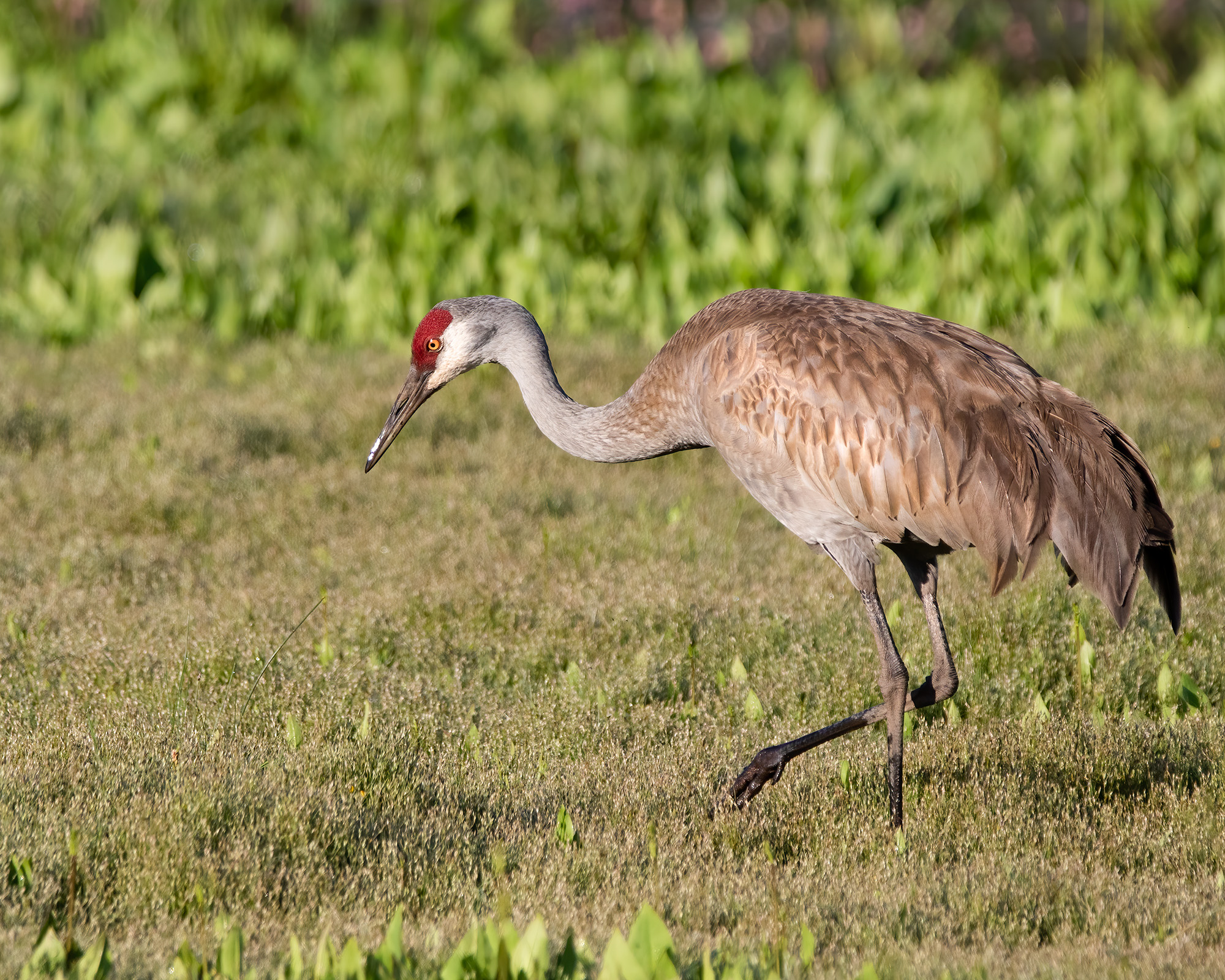
Sandhill Crane (Grus canadensis)
The Pacific Flyway is a major long distance, north-south (latitudinal) migration route stretching from the Canadian Arctic south to Patagonia. This type of migration is what many people associate with birds like Snow Geese and Sandhill Cranes, but many small songbirds are partial migrants along this route.
Altitudinal migration occurs when birds move from higher elevations to lower elevations and is often combined with some north-south movement. Birds like the Varied Thrush, Steller’s Jay, and American Dipper follow this pattern.
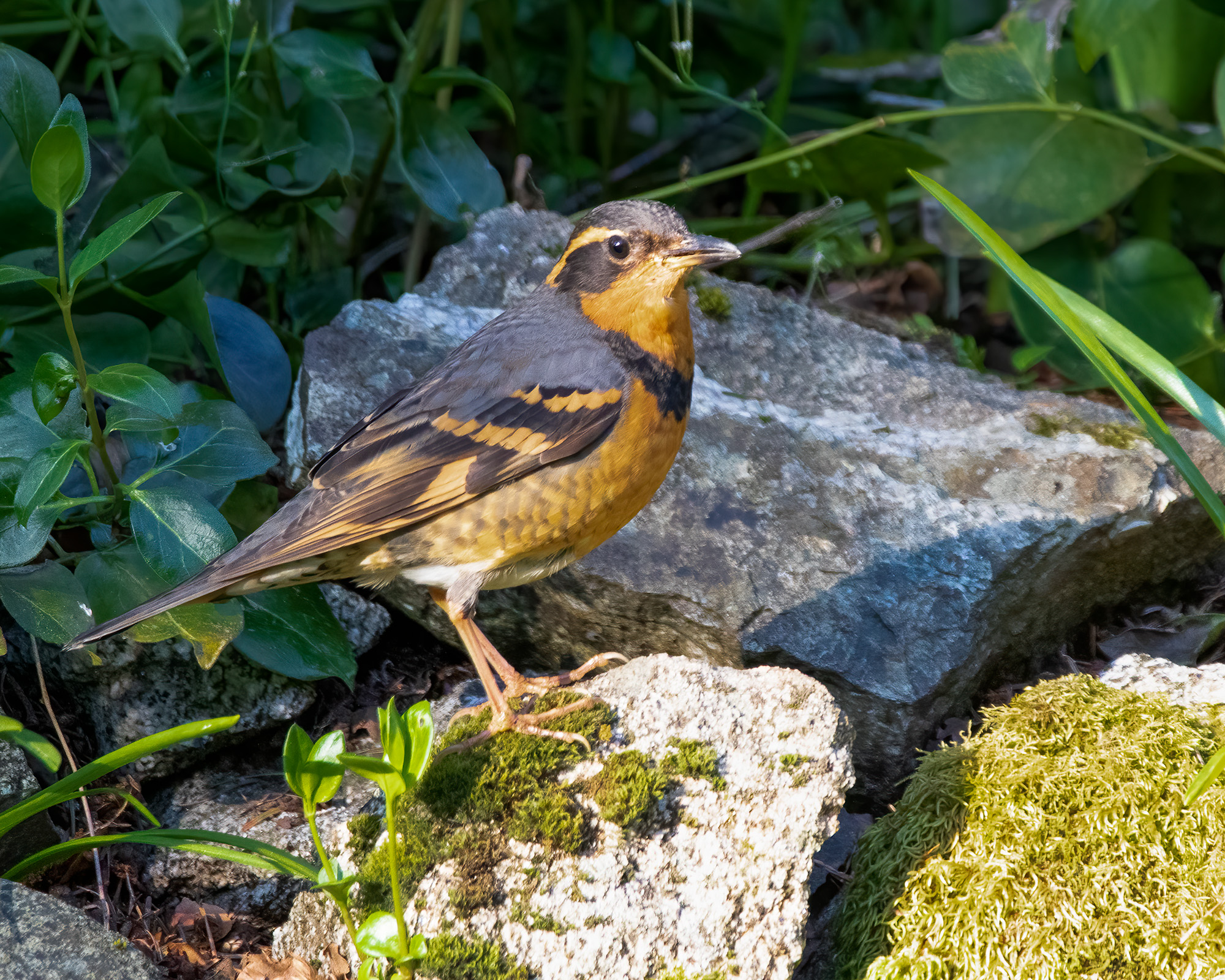
Varied Thrush (Ixoreus naevius)
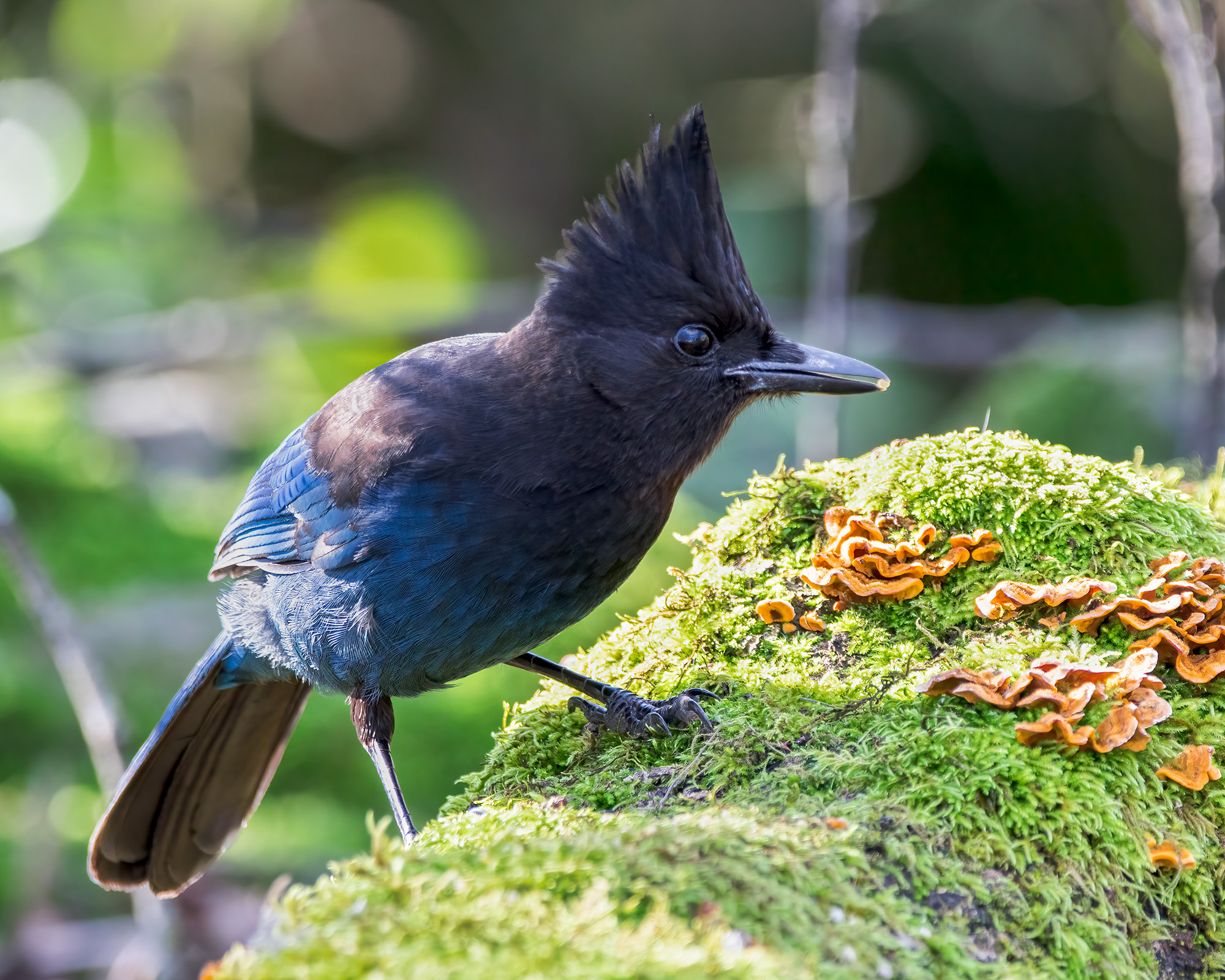
Steller's jay (Cyanocitta stelleri)
Longitudinal or east-west migration is often associated with birds moving from interior regions to coastal environments. While more common in Europe, many diving ducks, grebes, and loons move in this way. Sometimes the east-west movement is also associated with a north-south pattern like the Marbled Godwit. The Ancient Murrelet, which breeds on Haida Gwaii, migrates to the waters off Japan and China for the winter.
One of the most unique types of migration is called leapfrog migration. When birds cover a large area and migrate north-south, the northern populations will move farther south and travel farther than the more southern populations. The Fox Sparrow is one of these birds.
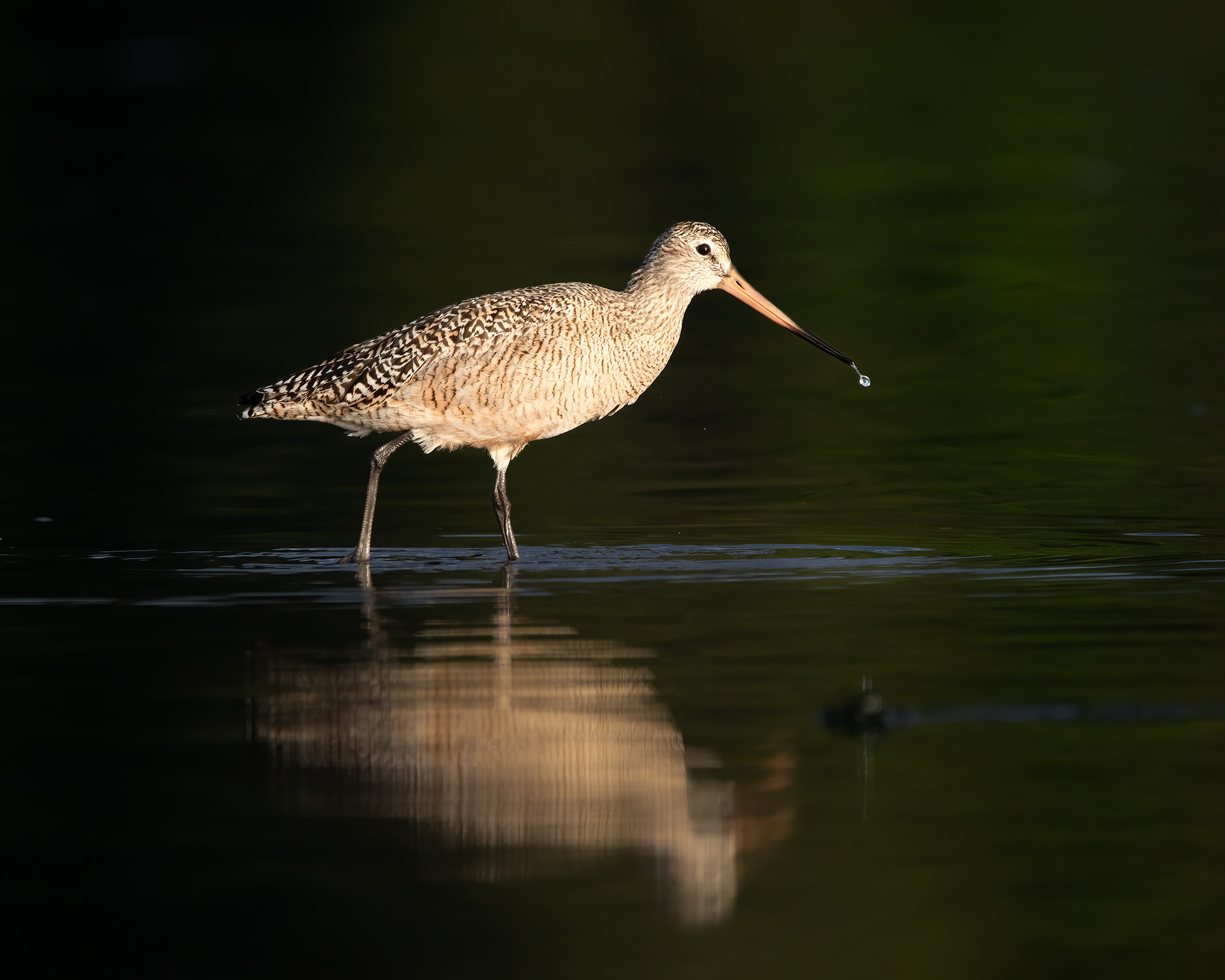
Marbeled Godwit (Limosa fedoa)
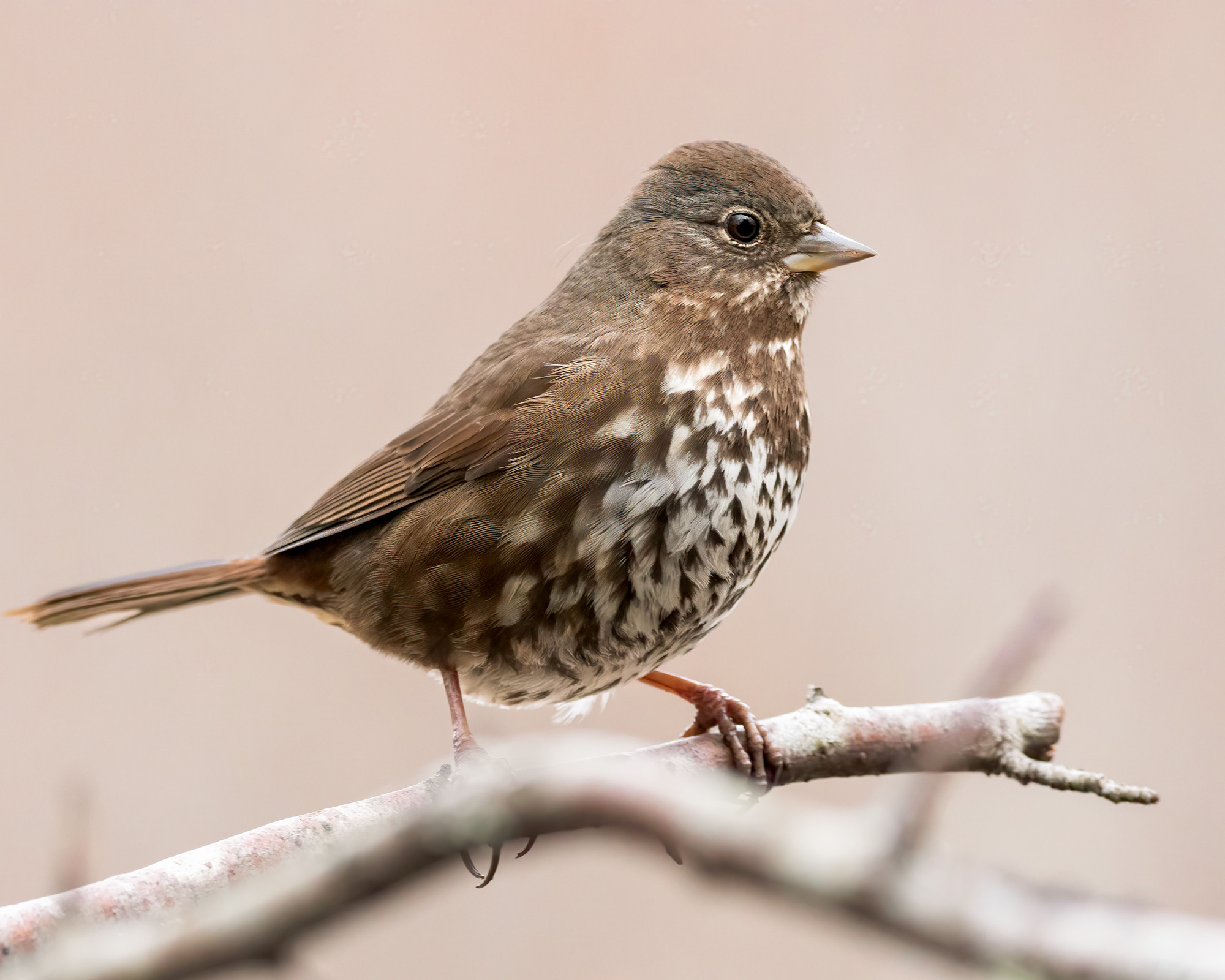
Fox Sparrow (Passerella iliaca)
Chain migration, partial migration, and drift migration are other types of annual bird movement. With this many different migratory patterns, it is no wonder researchers are always busy!
In the next article we will look at how birds find their way over these vast distances, what triggers their movement, and why we sometimes see rare visitors to our area.
Photo and Text Credit: Bruce Tuck | @BirdsInMyView
Submit your bird questions to visit@swanlake.bc.ca for a chance to have Bruce respond!