Country Birds and City Birds
Bruce Tuck | Swan Lake Bird Facts
July 2026
The expansion of major urban areas has a direct effect on the natural environment, including many species of birds. This is not to say that birds cannot exist in cities; several populations do quite well and often flourish. Birds, like other animals, need a reliable food source, protection from predators, and suitable nesting areas.
Some species have adapted to the city environment, while those that require specific natural habitats can only be found in rural or natural settings.
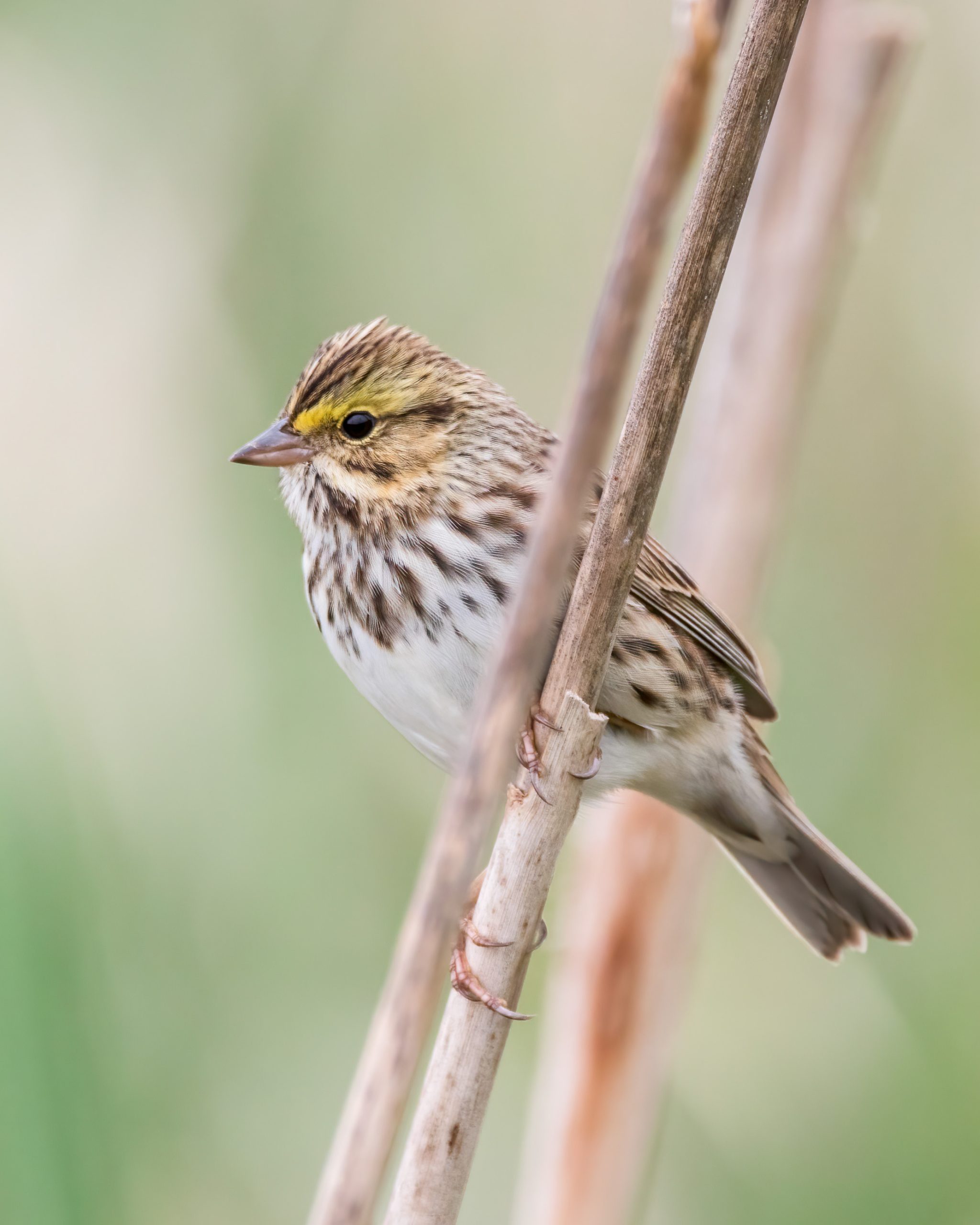
Savannah Sparrow (Passerculus sandwichensis)
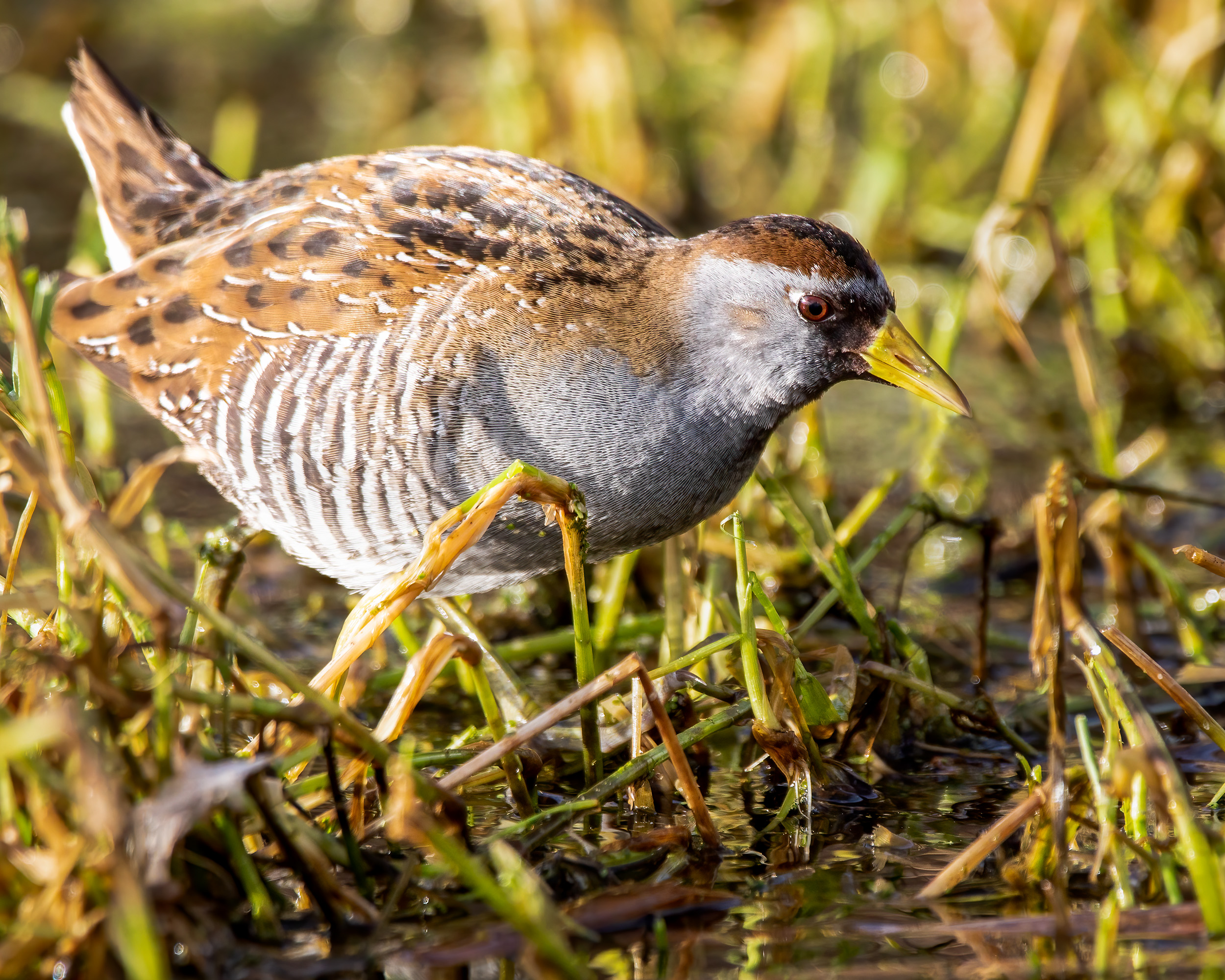
Sora (Porzana carolina)
Open grasslands, wetlands, and dense forests are environments that rarely exist in urban areas.
Savanah Sparrows forage and nest on the ground, so they require dense grasses and bushes to survive. Northern Harriers can be seen locally soaring over open fields in search of prey. Wetland areas are some of the most environmentally significant and sensitive ecosystems. Birds like Soras, Red-winged Blackbirds, Great Blue Herons, and many species of warblers thrive in these areas. Dense forest cover is ideal for thrushes and wrens to feed and nest, while the Pileated Woodpecker looks for decaying trees for food and raising their young.
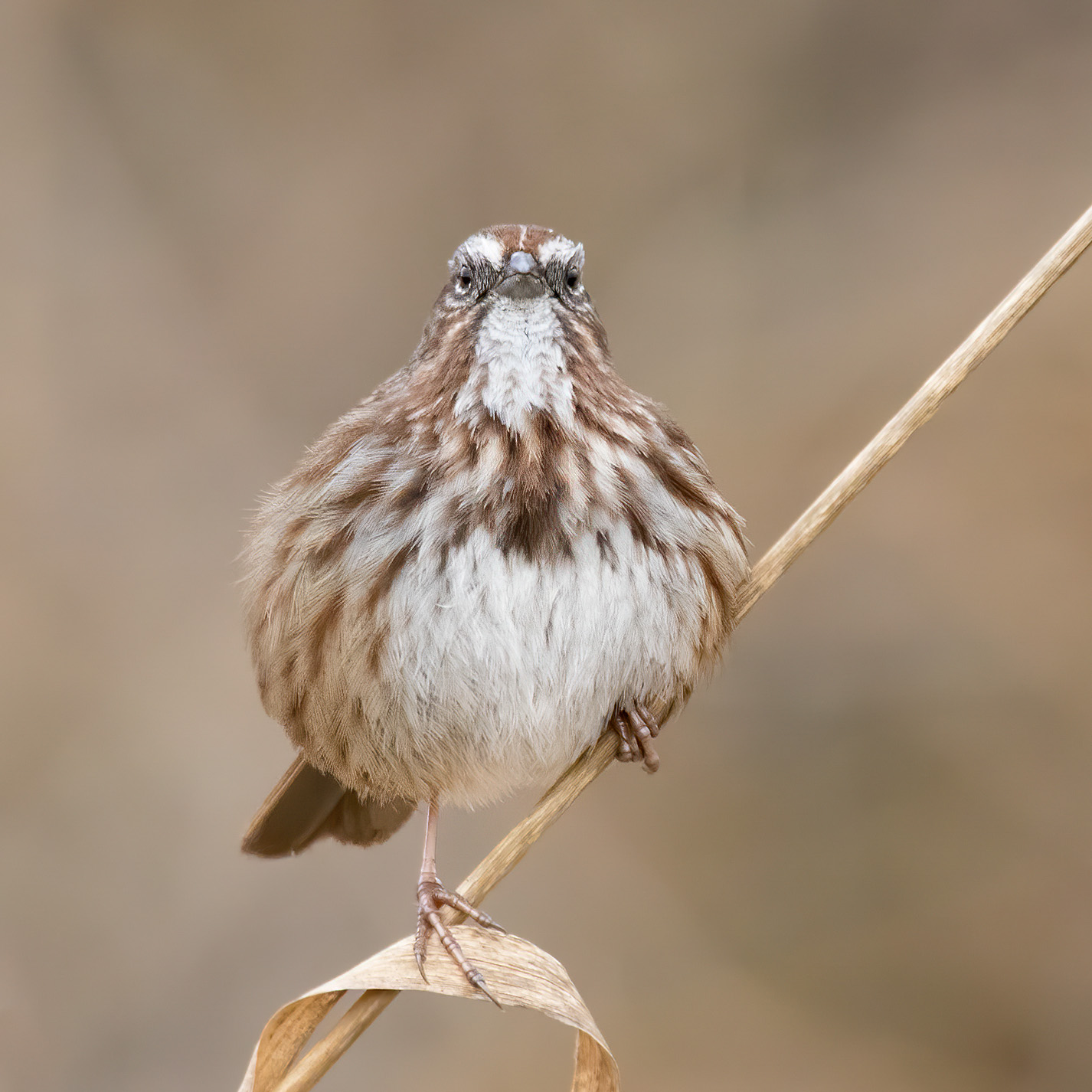
House Sparrow (Passer domesticus)
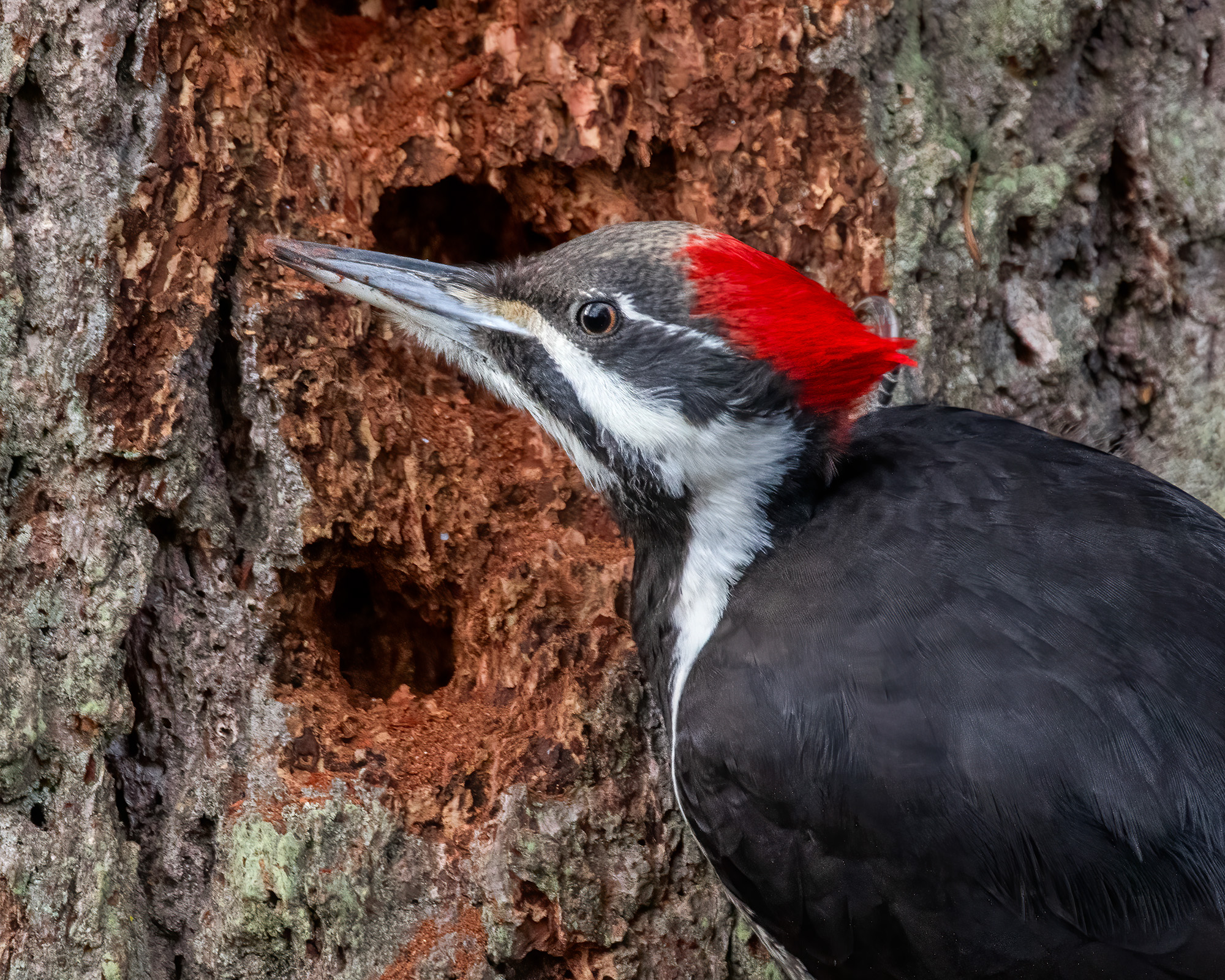
Pileated Woodpecker (Dryocopus pileatus)
There are many birds that can be thought of a generalists, in that they can live in many different environments. Adaptability is key for these species.
Crows and many species of gulls are very opportunistic and thrive on discarded food and compost. House Sparrows often nest in manmade structures like streetlights, walls, and roofs. Rock Pigeons originally lived near cliffs but are equally comfortable building nests on bridges and buildings. While most raptors only live in natural environments, Peregrine Falcons have also adapted to city life where nesting areas are readily available and prey in the form of other city birds is plentiful.
Several studies have been undertaken that show behavioral changes like higher pitched songs and physical and genetic adaptations are occurring in urban birds.
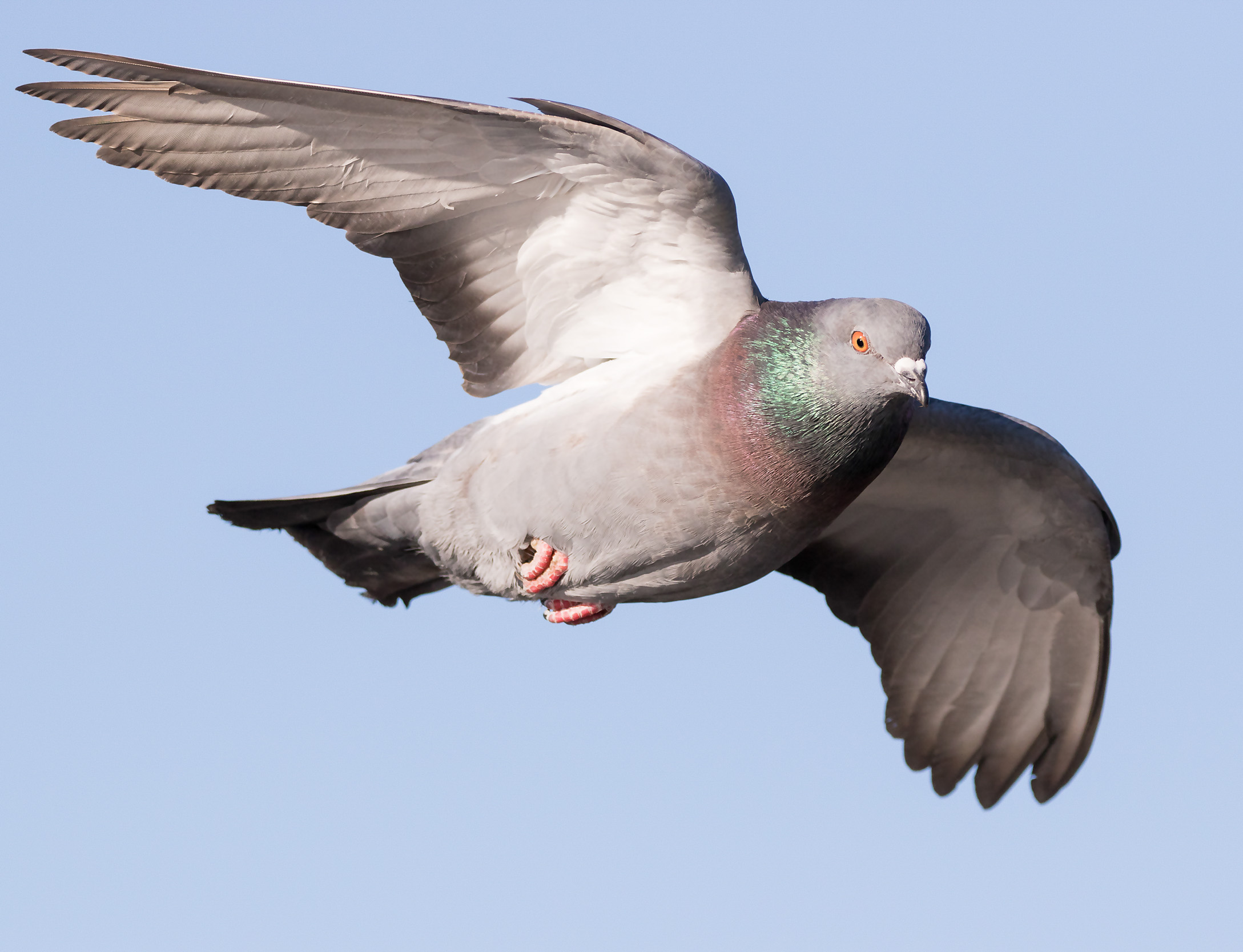
Rock Pigeon (Columba livia)
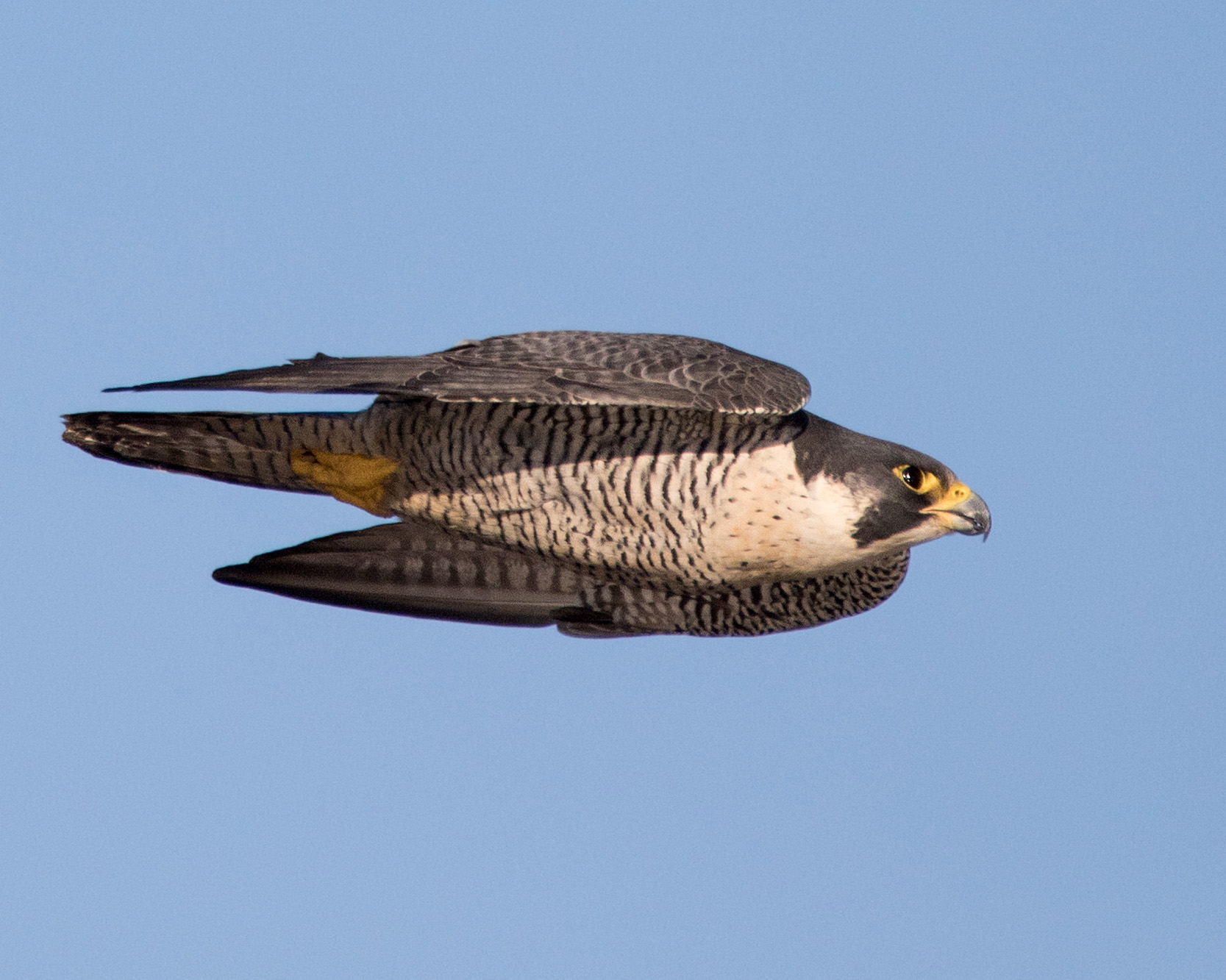
Peregrine Falcon (Falco peregrinus)
While some birds and other wildlife can adapt to the urban environment, the reduction of suitable foraging and nesting areas has significantly reduced the populations of many species. Swan Lake Nature Sanctuary and other similar habitats within cities provide varied natural environments that support many species and help reduce the pressures on them.
Photo and Text Credit: Bruce Tuck | @BirdsInMyView
Submit your bird questions to visit@swanlake.bc.ca for a chance to have Bruce respond!